BJJ & Grappling Hydration: Gi Heat, Hard Rounds and Two-A-Days

Quick answer

Grappling is a heavy-sweat sport hiding inside a heavy garment. A gi traps heat, academies run warm, rounds stack up with short breaks, and two-a-days split the damage across a morning and an evening — so a BJJ athlete's hydration problem is rarely one session; it is the accumulation across a training day and week. The working system: know your sweat rate from the weigh-in method [A01], replace sodium like it matters (it is the main electrolyte sweat takes [S01]), treat the hours between sessions as a replacement window with its own plan, and match the formula to the day. And one line this library draws in permanent ink: hydration here means replacing sweat. It is never a tool for cutting weight.

Key takeaways

  • The gi is a heat trap: expect sweat rates at the top of your personal range on hard rolling days [A01][S01].
  • Rounds create drink windows — 30–60 seconds between rounds is enough for steady sipping, not for catching up. Arrive hydrated; sip through; replace after.
  • Two-a-days are won or lost between sessions: fluid, sodium and a real meal in the window decide what the evening session feels like.
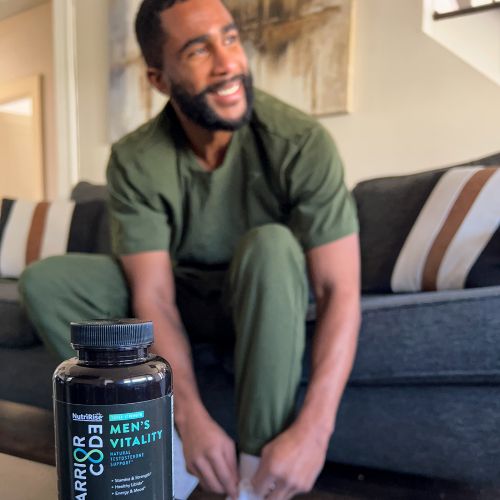
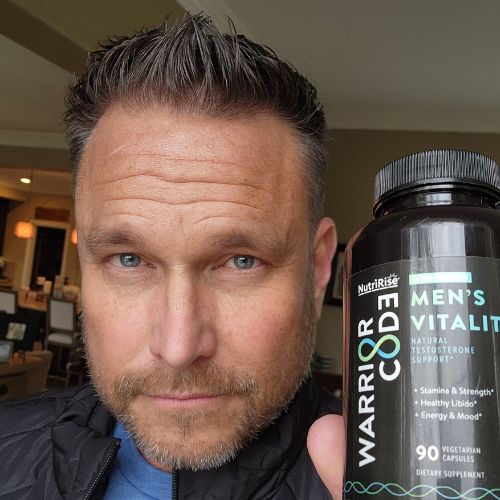
  • In our line, grappling's heavy-sweat formula is Warrior Code Hydra Ice — 1,000 mg sodium with 5 g creatine per serving [L02]; technical days run on Warrior Code Vital Hydrate at 100 mg [L01].
  • Weight cutting by dehydration is where this library stops: the research record on rapid weight loss in grappling sports is grim [J01], and there are no cut protocols here — ever.
  • The in-session self-check: rounds dropping off early, cramps and tightness, a head that tightens as class goes on — fluids first, then judge.

Why grapplers sweat more than they think

Three multipliers stack. First, the work itself: grappling is intermittent, whole-body, high-intensity — the ACSM's profile of an activity where individualised fluid plans beat generic advice [A01]. Second, the gi: a heavy cotton jacket over a rashguard is insulation worn during exercise, and it blunts the evaporation that makes sweat useful. Third, the room: academies are rarely cold, and a class of thirty bodies raises the temperature as the night goes on. Put together, a 90-minute hard class can cost a grappler well over a litre — and the salty ones, at sweat sodium concentrations up to 90 mmol/L [S01], lose sodium at rates most sports never reach. Our sweat science guide gives you the weigh-in method to put your own number on it; do it once after a hard class and once after a light one, because a grappler really has two sweat rates.

This article is the training-day application. The deeper protocol — environment, session structure, competition context — lives in our companion piece, the BJJ hydration protocol, in depth, and the whole system sits inside the complete guide to hydration and electrolytes for athletes.

Rounds: hydration in the gaps

Rolling rounds are typically five to ten minutes with a minute or less between them. That structure decides your drinking whether you plan it or not:

  • Before class is where the session is actually hydrated. Start euhydrated [A01] — urine pale, body weight at your normal morning number, a drink with sodium in the hour before if the day has already cost you sweat.
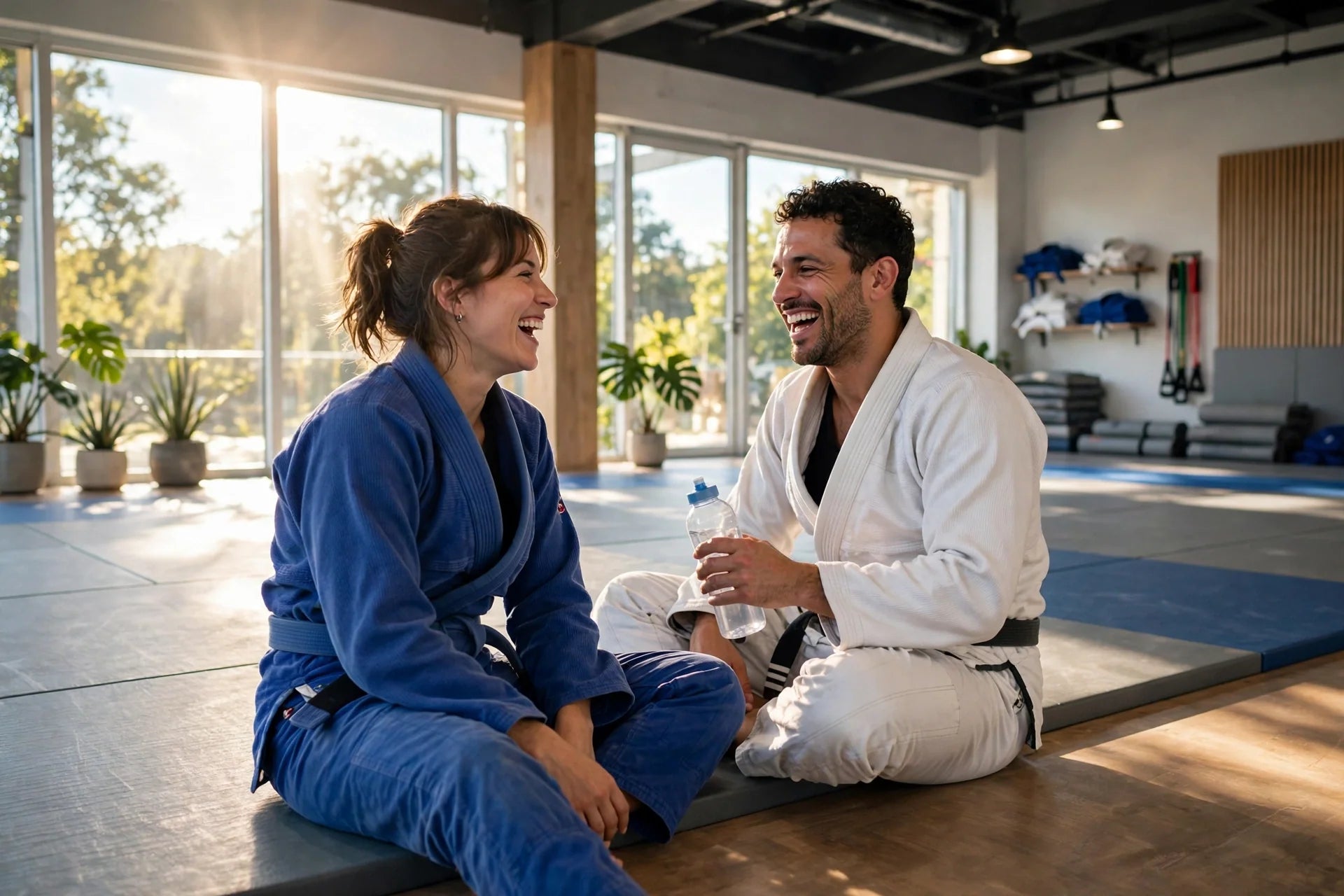
  • Between rounds, sip steadily — small amounts often. A bottle at the edge of the mat is equipment, like your belt. Gulping a litre in the last break does not catch you up; it rides in your stomach into the next round.
  • After class, the weigh-in tells the truth. Every kilogram down is roughly a litre to replace, with sodium, across the next hours — not all at once, and with food.

Two-a-days: the window is the workout

Morning technique, evening sparring is the classic grappler's split — and the second session is where under-replacement collects its debt. The signs are unmistakable once you have felt them: the evening warm-up feels like the third round, grips fade early, the head tightens. The window between sessions has a job list:

1. Replace the morning's deficit — fluid plus sodium, guided by the scale if you weighed out.

2. Eat a real meal — carbohydrates to refill, protein to repair, salt as part of the food. This is also where potassium quietly does its day's work, from food [W01].

3. Nap if you can. Recovery is hormonal as much as fluid; the window is for both.

4. Re-check before the evening session — weight back near baseline, urine pale again. If you are still a kilogram down at 6 pm, the evening plan starts with a drink, not a warm-up.

On two-a-days the formula choice follows the day, not the clock: the heavier-sweat session gets the heavier formula. Hydra Ice — built for the heaviest sweat at 1,000 mg sodium, with the 5 g of creatine a grappler takes daily anyway [L02] — suits the hard evening sparring block; a technical morning runs fine on Vital Hydrate [L01]. My own daily constant sits outside the sessions entirely: a serving of Harmony Hydration across the day, a habit I keep because the routine keeps me drinking — personal practice, offered as exactly that and nothing more.

The line: hydration is not weight cutting

BJJ is a weight-class sport, and honesty requires naming what happens in it. The best prevalence data comes from judo, grappling's close cousin: in a survey of 822 competitors, 86% reported having lost weight rapidly to compete — most by up to 5% of body weight, a large share by 5–10% — and the methods leaned heavily on inducing dehydration: fluid restriction, training in heat, saunas [J01]. Athletes in that study had begun cutting at an average age of twelve. The health record of those practices — in wrestling, they include deaths that forced rule changes — is why this library's rule G-17 exists.

So, plainly: nothing in this cluster tells you how to cut weight with dehydration, because we do not publish that. No timelines, no percentages presented as safe, no "rehydration protocols" designed to make a cut survivable. What we publish instead is the other side of the same physiology: how to train hard, sweat heavily and replace honestly, so that the weight you compete at is a weight you actually live at. If a coach or a forum is selling you a dehydration cut, understand that the evidence base for its safety does not exist — what exists is a prevalence study and a warning. Competition day itself — weigh-in formats, the hydrated competitor's plan, and the red flags that end a day — gets the full treatment in Competition Day Hydration & Weight-Class Safety.

The in-session self-check

From the founder's self-check in the pillar, the rows that show up during grappling: performance dropping off earlier than the rounds justify; muscles cramping or tightening under load; headache building as class goes on; and the mental rows — thoughts scattering when a sequence should be automatic. The response never changes: fluids first, electrolytes with them; re-check in 30–60 minutes; if it does not clear or keeps returning across sessions, get a professional involved. A self-check is a prompt to drink and think — not a diagnosis, and never a reason to push through warning signs.

Frequently asked questions

How much do you sweat in a BJJ class?

It varies by athlete, gi, room and intensity — the honest range across athletes is roughly 0.5–2 litres per hour of hard training [A01][S01], and a gi in a warm academy pushes a grappler toward their own top end. Weigh yourself before and after one hard class; that number is yours.

What should I drink during rounds?

Water covers short, light sessions. For hard rolling past an hour — or any session where you finish with salt lines on the gi — a drink with real sodium earns its place: sodium is what sweat is actually removing [S01]. Sip small amounts between rounds rather than loading up in one break.

Is Hydra Ice a pre-workout?

No — it carries no caffeine. It is a heavy-sweat hydration formula (1,000 mg sodium, 200 mg potassium, 66 mg magnesium per serving) with 5 g of creatine monohydrate added, built for grapplers and other heavy sweaters [L02]. Take it around the hardest, sweatiest session of the day.

How do I hydrate for two sessions in one day?

Replace the first session's losses in the window — fluid, sodium and a real meal — and verify before session two: weight near baseline, urine pale. The second session's quality is decided between the sessions, not during them.

Can hydration help me make weight?

Hydration replaces sweat; it does not move your weight class, and using dehydration to make weight is exactly the practice this library refuses to teach [J01]. Compete at a weight you can hold while training hydrated — that is the whole position.

Why does my head tighten up late in class?

Late-class headache has several possible causes — fluid and sodium deficit among them, alongside exertion, heat and plain fatigue. It is one of the self-check signs: fluids first, re-check within the hour, and treat a recurring pattern as a reason to talk to a professional rather than to push through it.

Next step

Weigh in and out of your next hard class, then read the athlete hydration guide to build the full week around your two BJJ sweat rates — and take the companion BJJ hydration protocol for the deep version.

References

[A01] American College of Sports Medicine — Position Stand: Exercise and Fluid Replacement (2007): start euhydrated; prevent more than 2% body-weight loss during exercise; sweat rates and electrolyte content vary considerably, so programmes should be customised; sweat rate can be estimated from pre/post body weight; replace fluid-electrolyte deficits after exercise: https://pubmed.ncbi.nlm.nih.gov/17277604/

[S01] Baker LB — Sweating Rate and Sweat Sodium Concentration in Athletes: A Review of Methodology and Intra/Interindividual Variability (Sports Medicine, 2017): sweat sodium concentration spans roughly 10–90 mmol/L across athletes and varies considerably within and between individuals: https://link.springer.com/content/pdf/10.1007/s40279-017-0691-5.pdf

[J01] Artioli GG et al. — Prevalence, Magnitude, and Methods of Rapid Weight Loss among Judo Competitors (Medicine & Science in Sports & Exercise, 2010): 822 competitors surveyed; 86% had lost weight rapidly to compete (89% excluding heavyweights); most cuts up to 5% of body weight, many 5–10%; methods leaned on hypohydration (fluid restriction, heated training, saunas); athletes had begun cutting at a mean age of about 12.6 years: https://doi.org/10.1249/MSS.0b013e3181ba8055

[W01] NIH Office of Dietary Supplements — Potassium Fact Sheet for Health Professionals: potassium is the most abundant intracellular cation; AIs 3,400 mg (men) / 2,600 mg (women), best met from food; only a very small amount of potassium is lost in sweat: https://ods.od.nih.gov/factsheets/Potassium-HealthProfessional/

[L01] Warrior Code Vital Hydrate — Supplement Facts label (verified from the product page, 2026-10-28): per 1 scoop: sodium 100 mg, potassium 200 mg, magnesium 20 mg, calcium 40 mg: https://nutririse.com/products/warrior-code-vital-hydrate-lychee

[L02] Warrior Code Hydra Ice — front-of-pack label callouts and product description (verified 2026-10-28): per serving: sodium 1,000 mg, potassium 200 mg, magnesium 66 mg, creatine monohydrate 5 g: https://nutririse.com/products/warrior-code-hydra-ice-creatine-hydration-performance-booster-blue-ice-flavor

• Recommended Products:

.

Warrior Code Vital Hydrate

Warrior Code Vital Hydrate

$39.95

Order Now
Warrior Code HYDRA ICE

Warrior Code HYDRA ICE

$42.00

Order Now
NutriRise ION — Quantum Ice

NutriRise ION — Quantum Ice

$49.95

Order Now
Mineral Matrix+

Mineral Matrix+

$49.95

Order Now
Warrior Code Power Pulse

Warrior Code Power Pulse

$39.95

Order Now
AdaptoZen Harmony Hydration

AdaptoZen Harmony Hydration

$39.95

Order Now
Warrior Code Volcanic Salt

Warrior Code Volcanic Salt

$49.99

Order Now
BJJ & Grappling Hydration: Gi Heat, Hard Rounds and Two-A-Days

BJJ & Grappling Hydration: Gi Heat, Hard Rounds and Two-A-Days

Quick answer

Grappling is a heavy-sweat sport hiding inside a heavy garment. A gi traps heat, academies run warm, rounds stack up with short breaks, and two-a-days split the damage across a morning and an evening — so a BJJ athlete's hydration problem is rarely one session; it is the accumulation across a training day and week. The working system: know your sweat rate from the weigh-in method [A01], replace sodium like it matters (it is the main electrolyte sweat takes [S01]), treat the hours between sessions as a replacement window with its own plan, and match the formula to the day. And one line this library draws in permanent ink: hydration here means replacing sweat. It is never a tool for cutting weight.

Key takeaways

  • The gi is a heat trap: expect sweat rates at the top of your personal range on hard rolling days [A01][S01].
  • Rounds create drink windows — 30–60 seconds between rounds is enough for steady sipping, not for catching up. Arrive hydrated; sip through; replace after.
  • Two-a-days are won or lost between sessions: fluid, sodium and a real meal in the window decide what the evening session feels like.
  • In our line, grappling's heavy-sweat formula is Warrior Code Hydra Ice — 1,000 mg sodium with 5 g creatine per serving [L02]; technical days run on Warrior Code Vital Hydrate at 100 mg [L01].
  • Weight cutting by dehydration is where this library stops: the research record on rapid weight loss in grappling sports is grim [J01], and there are no cut protocols here — ever.
  • The in-session self-check: rounds dropping off early, cramps and tightness, a head that tightens as class goes on — fluids first, then judge.

Why grapplers sweat more than they think

Three multipliers stack. First, the work itself: grappling is intermittent, whole-body, high-intensity — the ACSM's profile of an activity where individualised fluid plans beat generic advice [A01]. Second, the gi: a heavy cotton jacket over a rashguard is insulation worn during exercise, and it blunts the evaporation that makes sweat useful. Third, the room: academies are rarely cold, and a class of thirty bodies raises the temperature as the night goes on. Put together, a 90-minute hard class can cost a grappler well over a litre — and the salty ones, at sweat sodium concentrations up to 90 mmol/L [S01], lose sodium at rates most sports never reach. Our sweat science guide gives you the weigh-in method to put your own number on it; do it once after a hard class and once after a light one, because a grappler really has two sweat rates.

This article is the training-day application. The deeper protocol — environment, session structure, competition context — lives in our companion piece, the BJJ hydration protocol, in depth, and the whole system sits inside the complete guide to hydration and electrolytes for athletes.

Rounds: hydration in the gaps

Rolling rounds are typically five to ten minutes with a minute or less between them. That structure decides your drinking whether you plan it or not:

  • Before class is where the session is actually hydrated. Start euhydrated [A01] — urine pale, body weight at your normal morning number, a drink with sodium in the hour before if the day has already cost you sweat.
  • Between rounds, sip steadily — small amounts often. A bottle at the edge of the mat is equipment, like your belt. Gulping a litre in the last break does not catch you up; it rides in your stomach into the next round.
  • After class, the weigh-in tells the truth. Every kilogram down is roughly a litre to replace, with sodium, across the next hours — not all at once, and with food.

Two-a-days: the window is the workout

Morning technique, evening sparring is the classic grappler's split — and the second session is where under-replacement collects its debt. The signs are unmistakable once you have felt them: the evening warm-up feels like the third round, grips fade early, the head tightens. The window between sessions has a job list:

1. Replace the morning's deficit — fluid plus sodium, guided by the scale if you weighed out.

2. Eat a real meal — carbohydrates to refill, protein to repair, salt as part of the food. This is also where potassium quietly does its day's work, from food [W01].

3. Nap if you can. Recovery is hormonal as much as fluid; the window is for both.

4. Re-check before the evening session — weight back near baseline, urine pale again. If you are still a kilogram down at 6 pm, the evening plan starts with a drink, not a warm-up.

On two-a-days the formula choice follows the day, not the clock: the heavier-sweat session gets the heavier formula. Hydra Ice — built for the heaviest sweat at 1,000 mg sodium, with the 5 g of creatine a grappler takes daily anyway [L02] — suits the hard evening sparring block; a technical morning runs fine on Vital Hydrate [L01]. My own daily constant sits outside the sessions entirely: a serving of Harmony Hydration across the day, a habit I keep because the routine keeps me drinking — personal practice, offered as exactly that and nothing more.

The line: hydration is not weight cutting

BJJ is a weight-class sport, and honesty requires naming what happens in it. The best prevalence data comes from judo, grappling's close cousin: in a survey of 822 competitors, 86% reported having lost weight rapidly to compete — most by up to 5% of body weight, a large share by 5–10% — and the methods leaned heavily on inducing dehydration: fluid restriction, training in heat, saunas [J01]. Athletes in that study had begun cutting at an average age of twelve. The health record of those practices — in wrestling, they include deaths that forced rule changes — is why this library's rule G-17 exists.

So, plainly: nothing in this cluster tells you how to cut weight with dehydration, because we do not publish that. No timelines, no percentages presented as safe, no "rehydration protocols" designed to make a cut survivable. What we publish instead is the other side of the same physiology: how to train hard, sweat heavily and replace honestly, so that the weight you compete at is a weight you actually live at. If a coach or a forum is selling you a dehydration cut, understand that the evidence base for its safety does not exist — what exists is a prevalence study and a warning. Competition day itself — weigh-in formats, the hydrated competitor's plan, and the red flags that end a day — gets the full treatment in Competition Day Hydration & Weight-Class Safety.

The in-session self-check

From the founder's self-check in the pillar, the rows that show up during grappling: performance dropping off earlier than the rounds justify; muscles cramping or tightening under load; headache building as class goes on; and the mental rows — thoughts scattering when a sequence should be automatic. The response never changes: fluids first, electrolytes with them; re-check in 30–60 minutes; if it does not clear or keeps returning across sessions, get a professional involved. A self-check is a prompt to drink and think — not a diagnosis, and never a reason to push through warning signs.

Frequently asked questions

How much do you sweat in a BJJ class?

It varies by athlete, gi, room and intensity — the honest range across athletes is roughly 0.5–2 litres per hour of hard training [A01][S01], and a gi in a warm academy pushes a grappler toward their own top end. Weigh yourself before and after one hard class; that number is yours.

What should I drink during rounds?

Water covers short, light sessions. For hard rolling past an hour — or any session where you finish with salt lines on the gi — a drink with real sodium earns its place: sodium is what sweat is actually removing [S01]. Sip small amounts between rounds rather than loading up in one break.

Is Hydra Ice a pre-workout?

No — it carries no caffeine. It is a heavy-sweat hydration formula (1,000 mg sodium, 200 mg potassium, 66 mg magnesium per serving) with 5 g of creatine monohydrate added, built for grapplers and other heavy sweaters [L02]. Take it around the hardest, sweatiest session of the day.

How do I hydrate for two sessions in one day?

Replace the first session's losses in the window — fluid, sodium and a real meal — and verify before session two: weight near baseline, urine pale. The second session's quality is decided between the sessions, not during them.

Can hydration help me make weight?

Hydration replaces sweat; it does not move your weight class, and using dehydration to make weight is exactly the practice this library refuses to teach [J01]. Compete at a weight you can hold while training hydrated — that is the whole position.

Why does my head tighten up late in class?

Late-class headache has several possible causes — fluid and sodium deficit among them, alongside exertion, heat and plain fatigue. It is one of the self-check signs: fluids first, re-check within the hour, and treat a recurring pattern as a reason to talk to a professional rather than to push through it.

Next step

Weigh in and out of your next hard class, then read the athlete hydration guide to build the full week around your two BJJ sweat rates — and take the companion BJJ hydration protocol for the deep version.

References

[A01] American College of Sports Medicine — Position Stand: Exercise and Fluid Replacement (2007): start euhydrated; prevent more than 2% body-weight loss during exercise; sweat rates and electrolyte content vary considerably, so programmes should be customised; sweat rate can be estimated from pre/post body weight; replace fluid-electrolyte deficits after exercise: https://pubmed.ncbi.nlm.nih.gov/17277604/

[S01] Baker LB — Sweating Rate and Sweat Sodium Concentration in Athletes: A Review of Methodology and Intra/Interindividual Variability (Sports Medicine, 2017): sweat sodium concentration spans roughly 10–90 mmol/L across athletes and varies considerably within and between individuals: https://link.springer.com/content/pdf/10.1007/s40279-017-0691-5.pdf

[J01] Artioli GG et al. — Prevalence, Magnitude, and Methods of Rapid Weight Loss among Judo Competitors (Medicine & Science in Sports & Exercise, 2010): 822 competitors surveyed; 86% had lost weight rapidly to compete (89% excluding heavyweights); most cuts up to 5% of body weight, many 5–10%; methods leaned on hypohydration (fluid restriction, heated training, saunas); athletes had begun cutting at a mean age of about 12.6 years: https://doi.org/10.1249/MSS.0b013e3181ba8055

[W01] NIH Office of Dietary Supplements — Potassium Fact Sheet for Health Professionals: potassium is the most abundant intracellular cation; AIs 3,400 mg (men) / 2,600 mg (women), best met from food; only a very small amount of potassium is lost in sweat: https://ods.od.nih.gov/factsheets/Potassium-HealthProfessional/

[L01] Warrior Code Vital Hydrate — Supplement Facts label (verified from the product page, 2026-10-28): per 1 scoop: sodium 100 mg, potassium 200 mg, magnesium 20 mg, calcium 40 mg: https://nutririse.com/products/warrior-code-vital-hydrate-lychee

[L02] Warrior Code Hydra Ice — front-of-pack label callouts and product description (verified 2026-10-28): per serving: sodium 1,000 mg, potassium 200 mg, magnesium 66 mg, creatine monohydrate 5 g: https://nutririse.com/products/warrior-code-hydra-ice-creatine-hydration-performance-booster-blue-ice-flavor

• Recommended Products:

.

Warrior Code Vital Hydrate

Warrior Code Vital Hydrate

$39.95

Order Now
Warrior Code HYDRA ICE

Warrior Code HYDRA ICE

$42.00

Order Now
NutriRise ION — Quantum Ice

NutriRise ION — Quantum Ice

$49.95

Order Now
Mineral Matrix+

Mineral Matrix+

$49.95

Order Now
Warrior Code Power Pulse

Warrior Code Power Pulse

$39.95

Order Now
AdaptoZen Harmony Hydration

AdaptoZen Harmony Hydration

$39.95

Order Now
Warrior Code Volcanic Salt

Warrior Code Volcanic Salt

$49.99

Order Now
BJJ & Grappling Hydration: Gi Heat, Hard Rounds and Two-A-Days

Quick answer

Grappling is a heavy-sweat sport hiding inside a heavy garment. A gi traps heat, academies run warm, rounds stack up with short breaks, and two-a-days split the damage across a morning and an evening — so a BJJ athlete's hydration problem is rarely one session; it is the accumulation across a training day and week. The working system: know your sweat rate from the weigh-in method [A01], replace sodium like it matters (it is the main electrolyte sweat takes [S01]), treat the hours between sessions as a replacement window with its own plan, and match the formula to the day. And one line this library draws in permanent ink: hydration here means replacing sweat. It is never a tool for cutting weight.

Key takeaways

  • The gi is a heat trap: expect sweat rates at the top of your personal range on hard rolling days [A01][S01].
  • Rounds create drink windows — 30–60 seconds between rounds is enough for steady sipping, not for catching up. Arrive hydrated; sip through; replace after.
  • Two-a-days are won or lost between sessions: fluid, sodium and a real meal in the window decide what the evening session feels like.
  • In our line, grappling's heavy-sweat formula is Warrior Code Hydra Ice — 1,000 mg sodium with 5 g creatine per serving [L02]; technical days run on Warrior Code Vital Hydrate at 100 mg [L01].
  • Weight cutting by dehydration is where this library stops: the research record on rapid weight loss in grappling sports is grim [J01], and there are no cut protocols here — ever.
  • The in-session self-check: rounds dropping off early, cramps and tightness, a head that tightens as class goes on — fluids first, then judge.

Why grapplers sweat more than they think

Three multipliers stack. First, the work itself: grappling is intermittent, whole-body, high-intensity — the ACSM's profile of an activity where individualised fluid plans beat generic advice [A01]. Second, the gi: a heavy cotton jacket over a rashguard is insulation worn during exercise, and it blunts the evaporation that makes sweat useful. Third, the room: academies are rarely cold, and a class of thirty bodies raises the temperature as the night goes on. Put together, a 90-minute hard class can cost a grappler well over a litre — and the salty ones, at sweat sodium concentrations up to 90 mmol/L [S01], lose sodium at rates most sports never reach. Our sweat science guide gives you the weigh-in method to put your own number on it; do it once after a hard class and once after a light one, because a grappler really has two sweat rates.

This article is the training-day application. The deeper protocol — environment, session structure, competition context — lives in our companion piece, the BJJ hydration protocol, in depth, and the whole system sits inside the complete guide to hydration and electrolytes for athletes.

Rounds: hydration in the gaps

Rolling rounds are typically five to ten minutes with a minute or less between them. That structure decides your drinking whether you plan it or not:

  • Before class is where the session is actually hydrated. Start euhydrated [A01] — urine pale, body weight at your normal morning number, a drink with sodium in the hour before if the day has already cost you sweat.
  • Between rounds, sip steadily — small amounts often. A bottle at the edge of the mat is equipment, like your belt. Gulping a litre in the last break does not catch you up; it rides in your stomach into the next round.
  • After class, the weigh-in tells the truth. Every kilogram down is roughly a litre to replace, with sodium, across the next hours — not all at once, and with food.

Two-a-days: the window is the workout

Morning technique, evening sparring is the classic grappler's split — and the second session is where under-replacement collects its debt. The signs are unmistakable once you have felt them: the evening warm-up feels like the third round, grips fade early, the head tightens. The window between sessions has a job list:

1. Replace the morning's deficit — fluid plus sodium, guided by the scale if you weighed out.

2. Eat a real meal — carbohydrates to refill, protein to repair, salt as part of the food. This is also where potassium quietly does its day's work, from food [W01].

3. Nap if you can. Recovery is hormonal as much as fluid; the window is for both.

4. Re-check before the evening session — weight back near baseline, urine pale again. If you are still a kilogram down at 6 pm, the evening plan starts with a drink, not a warm-up.

On two-a-days the formula choice follows the day, not the clock: the heavier-sweat session gets the heavier formula. Hydra Ice — built for the heaviest sweat at 1,000 mg sodium, with the 5 g of creatine a grappler takes daily anyway [L02] — suits the hard evening sparring block; a technical morning runs fine on Vital Hydrate [L01]. My own daily constant sits outside the sessions entirely: a serving of Harmony Hydration across the day, a habit I keep because the routine keeps me drinking — personal practice, offered as exactly that and nothing more.

The line: hydration is not weight cutting

BJJ is a weight-class sport, and honesty requires naming what happens in it. The best prevalence data comes from judo, grappling's close cousin: in a survey of 822 competitors, 86% reported having lost weight rapidly to compete — most by up to 5% of body weight, a large share by 5–10% — and the methods leaned heavily on inducing dehydration: fluid restriction, training in heat, saunas [J01]. Athletes in that study had begun cutting at an average age of twelve. The health record of those practices — in wrestling, they include deaths that forced rule changes — is why this library's rule G-17 exists.

So, plainly: nothing in this cluster tells you how to cut weight with dehydration, because we do not publish that. No timelines, no percentages presented as safe, no "rehydration protocols" designed to make a cut survivable. What we publish instead is the other side of the same physiology: how to train hard, sweat heavily and replace honestly, so that the weight you compete at is a weight you actually live at. If a coach or a forum is selling you a dehydration cut, understand that the evidence base for its safety does not exist — what exists is a prevalence study and a warning. Competition day itself — weigh-in formats, the hydrated competitor's plan, and the red flags that end a day — gets the full treatment in Competition Day Hydration & Weight-Class Safety.

The in-session self-check

From the founder's self-check in the pillar, the rows that show up during grappling: performance dropping off earlier than the rounds justify; muscles cramping or tightening under load; headache building as class goes on; and the mental rows — thoughts scattering when a sequence should be automatic. The response never changes: fluids first, electrolytes with them; re-check in 30–60 minutes; if it does not clear or keeps returning across sessions, get a professional involved. A self-check is a prompt to drink and think — not a diagnosis, and never a reason to push through warning signs.

Frequently asked questions

How much do you sweat in a BJJ class?

It varies by athlete, gi, room and intensity — the honest range across athletes is roughly 0.5–2 litres per hour of hard training [A01][S01], and a gi in a warm academy pushes a grappler toward their own top end. Weigh yourself before and after one hard class; that number is yours.

What should I drink during rounds?

Water covers short, light sessions. For hard rolling past an hour — or any session where you finish with salt lines on the gi — a drink with real sodium earns its place: sodium is what sweat is actually removing [S01]. Sip small amounts between rounds rather than loading up in one break.

Is Hydra Ice a pre-workout?

No — it carries no caffeine. It is a heavy-sweat hydration formula (1,000 mg sodium, 200 mg potassium, 66 mg magnesium per serving) with 5 g of creatine monohydrate added, built for grapplers and other heavy sweaters [L02]. Take it around the hardest, sweatiest session of the day.

How do I hydrate for two sessions in one day?

Replace the first session's losses in the window — fluid, sodium and a real meal — and verify before session two: weight near baseline, urine pale. The second session's quality is decided between the sessions, not during them.

Can hydration help me make weight?

Hydration replaces sweat; it does not move your weight class, and using dehydration to make weight is exactly the practice this library refuses to teach [J01]. Compete at a weight you can hold while training hydrated — that is the whole position.

Why does my head tighten up late in class?

Late-class headache has several possible causes — fluid and sodium deficit among them, alongside exertion, heat and plain fatigue. It is one of the self-check signs: fluids first, re-check within the hour, and treat a recurring pattern as a reason to talk to a professional rather than to push through it.

Next step

Weigh in and out of your next hard class, then read the athlete hydration guide to build the full week around your two BJJ sweat rates — and take the companion BJJ hydration protocol for the deep version.

References

[A01] American College of Sports Medicine — Position Stand: Exercise and Fluid Replacement (2007): start euhydrated; prevent more than 2% body-weight loss during exercise; sweat rates and electrolyte content vary considerably, so programmes should be customised; sweat rate can be estimated from pre/post body weight; replace fluid-electrolyte deficits after exercise: https://pubmed.ncbi.nlm.nih.gov/17277604/

[S01] Baker LB — Sweating Rate and Sweat Sodium Concentration in Athletes: A Review of Methodology and Intra/Interindividual Variability (Sports Medicine, 2017): sweat sodium concentration spans roughly 10–90 mmol/L across athletes and varies considerably within and between individuals: https://link.springer.com/content/pdf/10.1007/s40279-017-0691-5.pdf

[J01] Artioli GG et al. — Prevalence, Magnitude, and Methods of Rapid Weight Loss among Judo Competitors (Medicine & Science in Sports & Exercise, 2010): 822 competitors surveyed; 86% had lost weight rapidly to compete (89% excluding heavyweights); most cuts up to 5% of body weight, many 5–10%; methods leaned on hypohydration (fluid restriction, heated training, saunas); athletes had begun cutting at a mean age of about 12.6 years: https://doi.org/10.1249/MSS.0b013e3181ba8055

[W01] NIH Office of Dietary Supplements — Potassium Fact Sheet for Health Professionals: potassium is the most abundant intracellular cation; AIs 3,400 mg (men) / 2,600 mg (women), best met from food; only a very small amount of potassium is lost in sweat: https://ods.od.nih.gov/factsheets/Potassium-HealthProfessional/

[L01] Warrior Code Vital Hydrate — Supplement Facts label (verified from the product page, 2026-10-28): per 1 scoop: sodium 100 mg, potassium 200 mg, magnesium 20 mg, calcium 40 mg: https://nutririse.com/products/warrior-code-vital-hydrate-lychee

[L02] Warrior Code Hydra Ice — front-of-pack label callouts and product description (verified 2026-10-28): per serving: sodium 1,000 mg, potassium 200 mg, magnesium 66 mg, creatine monohydrate 5 g: https://nutririse.com/products/warrior-code-hydra-ice-creatine-hydration-performance-booster-blue-ice-flavor

• Recommended Products:

.

Warrior Code Vital Hydrate

Warrior Code Vital Hydrate

$39.95

Order Now
Warrior Code HYDRA ICE

Warrior Code HYDRA ICE

$42.00

Order Now
NutriRise ION — Quantum Ice

NutriRise ION — Quantum Ice

$49.95

Order Now
Mineral Matrix+

Mineral Matrix+

$49.95

Order Now
Warrior Code Power Pulse

Warrior Code Power Pulse

$39.95

Order Now
AdaptoZen Harmony Hydration

AdaptoZen Harmony Hydration

$39.95

Order Now
Warrior Code Volcanic Salt

Warrior Code Volcanic Salt

$49.99

Order Now
Cart (0)
Your Cart Is Empty!
Start With Our Best Sellers
NutriRise Ashwagandha Root 1300 MG | Organic Black Pepper Extract | 120 Capsules
$21.95
NutriRise 15-Day Rapid Cleanse | 9 Natural Ingredients with Aloe Vera & Senna | Plus Probiotics
$15.45
NutriRise Glucosamine Chondroitin MSM | 8 Ingredient Joint Support Blend | 90 Capsules
$29.95
Thanks for contacting us! We'll get back to you shortly. Thanks for subscribing Thanks! We will notify you when it becomes available! Product is out of stock. There is only one item left to add to the cart There are only [num_items] items left to add to the cart