Hydration & Electrolytes for Athletes: The Complete Guide to Sweat, Sodium, Potassium and Magnesium

Quick answer

If you train hard enough to soak a shirt — grappling, endurance work, hot yoga, heavy lifting — you are losing more than water. Sweat carries sodium in meaningful amounts, plus smaller amounts of potassium, magnesium and calcium, and replacing water alone does not replace what the session cost you. The sports-medicine position stand on fluid replacement recommends starting exercise hydrated, keeping body-mass loss under roughly 2% during exercise, and replacing the remaining fluid and electrolyte deficit afterwards [A01]. The catch: sweat rates and sweat sodium vary widely between athletes, so the right plan is built from your own measured losses, not copied from a teammate.

Key takeaways

  • Sweat is not just water. Sodium is the main electrolyte lost, and losses differ a great deal from one athlete to the next [A01][E01].
  • The American College of Sports Medicine (ACSM) fluid-replacement guidance is simple to state: start the session hydrated, aim to finish within about 2% of your starting body weight, and replace what is left over afterwards, with food and fluids that include sodium [A01].
  • You can estimate your own sweat rate with a scale: weigh yourself before and after a typical session [A01]. The full method is in our sweat science guide.
  • More water is not always better. Drinking far beyond thirst can dilute blood sodium — hyponatremia — which is dangerous in its own right [E01].
  • Match the electrolyte drink to the sweat. A light formula suits a moderate session; a high-sodium formula exists for a reason — the athlete who loses litres.
  • Know the stop signs. Confusion, collapse, a severe headache, vomiting, or a body that stops sweating in the heat are medical problems, not hydration problems to solve with another bottle.
  • Learn your own early cues. Alongside the established body signs, this guide carries a founder-noticed mind tier — racing thoughts, head tightness, effortful thinking, no route to calm — as a self-check, honestly labelled as experience rather than evidence.

Why this guide exists

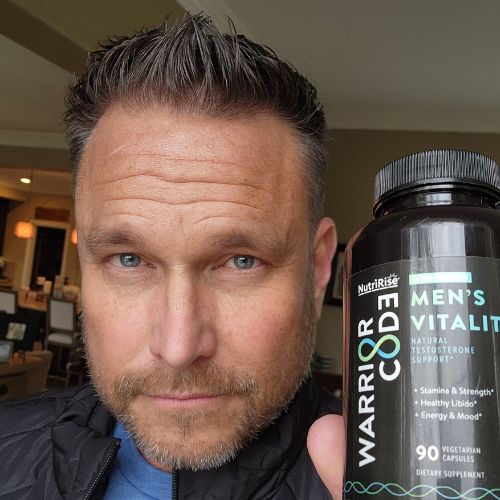
At NutriRise, Warrior Code is our training line, and I am the first person it has to work for. I train Brazilian jiu-jitsu — in a gi, in the heat, in rounds that leave the mat wet. Anyone who grapples knows the moment: the second hour of training, the grip that will not hold, the round that feels twice as long as the first. Some of that is conditioning. Some of it is what left your body in sweat and never got replaced.

This guide is the system we teach our own athletes: what sweat actually costs, what each electrolyte actually does, how to measure your own losses, and how to match a drink to the session in front of you. Every claim in it is tied to sports-medicine or nutrition references at the end, and every product number comes from the product's own label. Where the evidence is thin or mixed, the guide says so. It is education, not medical advice — and it never replaces a clinician who knows your health history.

What sweat actually costs you

Sweating is cooling. When you train, most of the energy your muscles burn becomes heat, and evaporation of sweat from the skin is how the body sheds it. That system is excellent — and it is not free. The fluid it spends comes from your blood volume and the fluid around and inside your cells, and dissolved in that fluid are electrolytes: sodium first and by the largest margin, then potassium, with smaller amounts of magnesium and calcium [A01][W01].

Two athletes in the same session can lose very different amounts. The ACSM position stand stresses that sweating rates and sweat electrolyte content vary considerably between individuals, which is why it recommends customised fluid-replacement programmes rather than a single rule for everyone [A01]. The hyponatremia literature makes the same point about sweat sodium specifically: losses are highly variable from person to person [E01]. Environment (heat, humidity, a gi), session length, intensity, body size, and how acclimated you are to the heat all move the number.

That variability is the single most useful fact in this guide. It means the honest unit of hydration planning is not the bottle or the scoop — it is your measured loss. Everything below builds on that.

The electrolyte system, in plain language

Electrolytes are minerals that carry an electrical charge when dissolved in fluid, and the body uses that charge to run fluid balance, nerve signals and muscle contractions. Four matter most for athletes:

  • Sodium is the main electrolyte of the fluid outside your cells — the main regulator of extracellular fluid volume, including blood (plasma) volume [W01]. It is also the electrolyte sweat takes the most of. When coaches say "replace your salts," sodium is most of what they mean.
  • Potassium is the main electrolyte inside your cells — the most abundant intracellular cation — where it maintains intracellular fluid volume and, through the sodium-potassium pump, the electrical gradient that nerve transmission, muscle contraction and kidney function depend on [W01]. Only a very small amount of potassium is lost in sweat [W01]; most of your potassium plan is food.
  • Magnesium is a working mineral: a cofactor in more than 300 enzyme systems, involved in muscle and nerve function and in energy production [W02]. Adults need roughly 310–420 mg a day depending on age and sex [W02]; sweat takes a small share, and the rest is a daily-intake question.
  • Calcium is best known for bone, but it also takes part in muscle contraction and nerve signalling; like magnesium, it leaves in sweat in small amounts compared with sodium.

For the full explainer — how the kidneys and hormones manage these minerals hour to hour — see electrolytes explained for people who train.

One more frame matters before we talk about drinks: the general-population sodium reference values. The National Academies set an Adequate Intake of 1,500 mg of sodium a day for adults and a chronic-disease risk-reduction level of 2,300 mg a day [W03]. Those numbers describe everyday intake for the general population. A heavy sweater can lose a large fraction of that in a single session — which is exactly why athlete replacement is a separate conversation, and why anyone with high blood pressure, kidney or heart concerns should have the sodium conversation with their clinician, not with a supplement label.

Before the session: start hydrated, not flooded

The ACSM goal for the hours before exercise is to start euhydrated — normally hydrated, with normal electrolyte levels — using normal meals and fluid intake, and prehydrating with beverages several hours before the session when needed, so there is time for fluid to absorb and urine output to settle [A01].

In practice: eat and drink normally through the day, have a normal salty meal in the hours before a big session, and top up with fluid a few hours out rather than chugging a litre at the door. Arriving already behind — a morning of coffee, no food, a rushed day — is the most common hydration mistake we see, and no in-session drink fully fixes it. Arriving flooded is the opposite error: forced overdrinking is the behaviour the hyponatremia consensus warns against [E01].

During the session: the 2% guide, and thirst

The ACSM's during-exercise goal is to prevent excessive dehydration — defined as more than 2% of body weight lost to water deficit — and excessive shifts in electrolyte balance, because beyond that point performance and safety both suffer [A01]. During exercise, drinks containing electrolytes and carbohydrate can offer benefits over water alone under certain circumstances — long sessions, heavy sweat, high heat [A01].

Two tools keep you in that window:

  • Thirst is a real signal. The international hyponatremia consensus concluded that drinking to thirst protects against overdrinking while providing enough fluid for most exercise situations [E01]. Thirst alone is not a complete plan for a two-hour gi session in summer — that is what the measured sweat rate below is for — but "drink as much as possible" is never the plan.
  • Your own number. If you know you lose about a litre an hour in a given session type, you can plan the bottle: some during, the rest after, with sodium in proportion to the sweat. How to measure your sweat rate takes five minutes with a scale.

And one warning that belongs in the "during" section: weight gain during exercise is a red flag. Athletes who develop hyponatremia typically finish heavier than they started, because the problem is fluid taken in beyond losses [E01]. If the scale goes up mid-event, stop drinking and get assessed. The full safety picture is in hyponatremia: when athletes drink too much water.

After the session: replace the deficit

After exercise, the ACSM goal is to replace any remaining fluid and electrolyte deficit; how aggressive that replacement needs to be depends on how big the deficit is and how soon you train again [A01]. The practical version:

  • Weigh yourself. The gap between your pre- and post-session weight is mostly water, and it is your replacement target over the following hours.
  • Drink with sodium, and eat. Sodium is what helps the body hold onto the fluid you drink — a salty meal plus fluids replaces sweat losses far better than water alone, because sweat took sodium out with the water.
  • Spread it out. Chugging the entire deficit at once mostly produces urine. A steady intake over a few hours — and a normal next meal — is the boring, effective version.
  • Two-a-day athletes: the clock matters. When the second session is hours away, the replacement window is the training plan; treat it that way.

The signs to track while you do this — thirst, urine colour, body weight, how the next session feels — are covered in depth in signs of dehydration in athletes.

The self-check: signs worth noticing

Everything above is the system. This section is the early-warning light — the checklist I actually run on myself. I learned these cues on the mat and in daily training life before I ever saw them written down, so this list comes in two honest tiers. The body signs are the established end of the subject — the ones hydration science documents. The mind signs are mine: founder-noticed, from my own training and my own head. I am presenting them as experience, not as clinical fact — because that is what they are. Run this as a self-check, never as a diagnosis.

Mind first — the ones I notice first

  • Overthinking — overactive, uncontrollable thoughts. The mind won't idle down; thoughts loop faster than I can steer them.
  • Tightness around the head. A band-like pressure — distinct from a full headache, and usually earlier.
  • Discomfort when trying to make coherent thoughts. I can feel the effort of stringing a thought together; the words don't line up cleanly.
  • Difficulty meditating or finding calm. Sitting still feels harder than it should; the usual route to quiet doesn't work.
  • Brain fog and poor concentration. The documented neighbour of the thought-coherence cue above — the one with research behind it, and the one most athletes recognise instantly.

When two or three of those show up together on a training day, my first check is no longer my programming or my sleep. It is the bottle: what have I actually drunk, and eaten, since morning?

Then the body — the established signs

  • Thirst that arrives late — by the time it is strong, you are already behind.
  • Dark yellow urine, or low urine volume across the day.
  • Headache — the full kind, beyond tightness.
  • Fatigue and heaviness in training that food and sleep don't explain.
  • Dry mouth, dry skin, light-headedness on standing.
  • Muscle cramps or unusual tightness in or after sessions.
  • The session tell: performance drops earlier than your fitness says it should — the clearest sign of all when you know your own sweat rate.

The 60-second response

Notice the signs → drink water, with electrolytes if you have been sweating → re-check in 30–60 minutes. If the feeling clears, it was information: file it, and let it adjust tomorrow's plan. If it doesn't clear, or it keeps returning, that is no longer a hydration question — fluids are the first check, not the only one, and persistent, severe or new symptoms deserve a professional conversation. This checklist never outranks the red flags below.

The training-week view: not every day costs a litre

Athletes do not lose the same amount every day, and a plan that treats Tuesday's light technique session like Saturday's two-hour open mat will be wrong twice. Think of the week in three kinds of days:

  • Heavy days — long sessions, hard rounds, heat, two-a-days. These are the litre days: measured sweat rate, planned sodium, the high-sodium formulas, and a deliberate post-session replacement window [A01].
  • Ordinary training days — a solid hour, moderate sweat. Water around the session, a light electrolyte drink if the session ran long or the room was warm, and normal meals carrying the rest.
  • Rest and light days — no session to replace. Hydration here is ordinary life: drink with meals and thirst, eat potassium-rich food [W01], and cover the daily mineral layer — which is the one job Mineral Matrix+ is built for, with 180 mg of magnesium a serving and almost no sodium [L04].

Periodising hydration this way does two things: it puts the effort (and the sodium) where the sweat actually is, and it keeps rest days honest — no forced gallons, no electrolytes-by-habit. The body's baseline is handled by meals, thirst and kidneys; the athlete's plan exists for the sessions that overwhelm the baseline.

Five mistakes this system fixes

  • Arriving behind. A day of coffee, skipped meals and no fluids cannot be repaired at the gym door. Start the day like the session matters [A01].
  • The gallon goal. A fixed daily volume with no reference to sessions or sweat is how conscientious people overdrink [E01].
  • Copying a teammate. Their sweat rate and sweat sodium are not yours [A01][E01]. Measure yours once and the argument ends.
  • Counting a pre-workout as hydration. Power Pulse carries 60 mg of sodium and 200 mg of caffeine [L05] — it is a starting pistol, not a water bottle.
  • Never weighing. The scale is the cheapest lab an athlete owns [A01]. One weigh-in per session type replaces a season of guessing.

The products: match the formula to the sweat

Warrior Code and NutriRise make several electrolyte formulas, and Gate-checked label facts — not adjectives — are how to choose between them. Read this table the way you would read a session plan: how much sweat, for how long, and what else the formula is doing.

Formula Sodium per serving Also per serving The session it fits
Warrior Code Vital Hydrate 100 mg [L01] Potassium 200 mg, magnesium 20 mg, calcium 40 mg, B-complex [L01] Moderate sessions and daily training days — a light electrolyte profile with B-vitamins
NutriRise ION — Quantum Ice 600 mg [L03] Potassium 444 mg, magnesium 40 mg, B12, coconut water powder [L03] Long sessions and heavy sweat — the endurance end of the system
Warrior Code Hydra Ice 1,000 mg [L02] Creatine monohydrate 5 g, potassium 200 mg, magnesium 66 mg [L02] The heaviest sweat — hard grappling and long, hot training, with daily creatine built in
Warrior Code Power Pulse 60 mg [L05] Caffeine 200 mg (from green tea), taurine 1,000 mg, L-theanine 100 mg [L05] Before training only — it is a pre-workout with electrolytes, not a sweat-replacement drink
Mineral Matrix+ 15 mg [L04] Magnesium 180 mg, chloride 620 mg [L04] Not a sweat drink — the daily mineral layer, for magnesium the powders are light on

The honest read of that table: a scoop of Vital Hydrate does not replace the sodium in a hard two-hour grappling session, and it is not meant to. It is the moderate-day formula — light electrolytes, B-vitamins, easy to drink daily. The heavy-sweat replacement in this system is Hydra Ice (1,000 mg sodium plus your daily creatine) and ION (600 mg sodium, 444 mg potassium, built for duration). Power Pulse's electrolytes are a supporting act to its caffeine — never count it as hydration. And Mineral Matrix+ does a different job entirely: meaningful magnesium (180 mg a serving) with almost no sodium, for the mineral layer the powders underdeliver.

That is also why we publish the numbers. Any electrolyte drink — ours or anyone else's — should be chosen by the sodium on its label, matched to the sweat you measured. The comparison framework is in the comparison guide later in this library; the measuring method is in sweat science, and for grapplers specifically, our BJJ hydration protocol goes session by session.

Red flags: when it is not a hydration problem

Stop and get medical help — do not hand the person another drink — for: confusion or slurred speech, collapse or inability to stand, a severe or worsening headache, repeated vomiting, hot dry skin or a body that has stopped sweating in the heat, chest pain, or seizures. These can signal heat stroke or hyponatremia, both of which are emergencies. If someone is confused after drinking a lot during a long event, tell the medics how much they drank — it changes the treatment [E01].

Frequently asked questions

How much water should an athlete drink per day?

There is no single litre target that fits athletes, because losses vary so much by session, body and climate [A01]. Use the framework instead: arrive at training normally hydrated, lose no more than about 2% of body weight during the session, and replace the rest afterwards [A01] — and let your measured sweat rate, not a generic gallon goal, set the numbers.

Are electrolytes necessary, or is water enough?

For short, light sessions, water and normal meals cover most people. The longer and sweatier the session, the more the answer changes: sweat removes sodium in meaningful amounts, and the ACSM notes drinks containing electrolytes (and carbohydrate) can benefit athletes over water alone under those circumstances [A01]. The deciding factor is the session, not the marketing.

What is the most important electrolyte for athletes?

Sodium, for replacement purposes: it is the main electrolyte of the fluid outside your cells, the regulator of blood volume, and the mineral sweat takes the most of [W01][A01]. Potassium and magnesium matter greatly to daily function — potassium mostly comes from food [W01], and magnesium is a daily-intake question [W02] — but the acute loss during training is sodium-led.

Can you drink too much water while training?

Yes. Drinking well beyond thirst — especially across long events — can dilute blood sodium and cause exercise-associated hyponatremia, which the international consensus attributes primarily to overconsumption of fluids combined with the body's fluid-retention response to exercise [E01]. Finishing heavier than you started is the warning sign [E01].

Should I take electrolytes before, during or after training?

All three windows do different jobs. Before: arrive hydrated with a normal meal [A01]. During: replace enough to stay within about 2% of your starting weight, prioritising sodium in proportion to sweat [A01]. After: replace the measured deficit with fluids, sodium and food [A01]. A caffeinated pre-workout belongs only in the first window [L05].

Do I need electrolytes for BJJ?

Grappling is one of the sweatiest training formats there is — a gi, sustained gripping, and long rounds in warm rooms. Most grapplers benefit from treating hydration like the endurance athletes do: measure your sweat rate, replace sodium on hard days, and plan the between-session window on two-a-days. Our BJJ hydration protocol is the session-level companion to this guide.

Next step

Pick your hardest weekly session and run one weigh-in: before, after, nothing fancy. That single number — your sweat rate for the session that costs you the most — is the foundation every other hydration decision sits on. The step-by-step method is in sweat science: what you lose in sweat and how to measure your own sweat rate.

The complete athlete hydration library

Every guide in this cluster, grouped the way athletes actually use them. This page is the hub; the library grows as each batch publishes.

The sweat system

The minerals

Sport by sport

The practice

The sister library: if your days are ordinary rather than athletic — desk, home, family — our companion guide Hydration for Everyday Life covers the daily routine, women's life stages, and the everyday shelf. Plenty of readers live in both libraries.

References

[A01] American College of Sports Medicine — Position Stand: Exercise and Fluid Replacement (2007): start euhydrated; prevent >2% body-weight loss during exercise; sweat rates and electrolyte content vary between individuals; sweat rate can be estimated from pre/post body weight; electrolytes and carbohydrate can benefit under certain circumstances; replace fluid-electrolyte deficits after exercise: https://pubmed.ncbi.nlm.nih.gov/17277604/

[E01] Hew-Butler T et al. — Exercise-Associated Hyponatremia: 2017 Update (Frontiers in Medicine), summarising the 2015 Third International EAH Consensus: overdrinking beyond thirst and non-osmotic AVP release are the primary factors; weight gain during exercise is the hallmark of fluid excess; sweat sodium losses are highly variable: https://pmc.ncbi.nlm.nih.gov/articles/PMC5334560/

[W01] NIH Office of Dietary Supplements — Potassium Fact Sheet for Health Professionals: potassium is the most abundant intracellular cation; sodium is the main regulator of extracellular fluid volume including plasma volume; the Na+/K+ ATPase gradient is required for nerve transmission, muscle contraction and kidney function; only a very small amount of potassium is lost in sweat; adult AIs 3,400 mg (men) / 2,600 mg (women): https://ods.od.nih.gov/factsheets/Potassium-HealthProfessional/

[W02] NIH Office of Dietary Supplements — Magnesium Fact Sheet for Health Professionals: cofactor in more than 300 enzyme systems; muscle and nerve function; energy production; adult RDAs 400–420 mg (men) / 310–320 mg (women): https://ods.od.nih.gov/factsheets/Magnesium-HealthProfessional/

[W03] National Academies of Sciences, Engineering, and Medicine — Dietary Reference Intakes for Sodium and Potassium (2019): sodium Adequate Intake 1,500 mg/day for adults; Chronic Disease Risk Reduction intake 2,300 mg/day: https://nap.nationalacademies.org/read/25353/page/15

[L01] Warrior Code Vital Hydrate — Supplement Facts label (verified from the product page, 2026-10-28): per 1 scoop (5.4 g): sodium 100 mg, potassium 200 mg, magnesium 20 mg, calcium 40 mg, B-complex at 33% DV; 30 servings: https://nutririse.com/products/warrior-code-vital-hydrate-lychee

[L02] Warrior Code Hydra Ice — front-of-pack label callouts and product description (verified 2026-10-28): per serving: creatine monohydrate 5 g, sodium 1,000 mg (sea salt), potassium 200 mg, magnesium 66 mg (magnesium malate); 30 servings: https://nutririse.com/products/warrior-code-hydra-ice-creatine-hydration-performance-booster-blue-ice-flavor

[L03] NutriRise ION — Quantum Ice — Supplement Facts label (verified from the product page, 2026-10-28): per approx. 1 scoop (7.5 g): sodium 600 mg (26% DV), potassium 444 mg, magnesium 40 mg, vitamin B12 9 mcg, acerola juice powder 1,000 mg, coconut water powder 1,000 mg; contains tree nuts (coconut): https://nutririse.com/products/nutririse-ion-quantum-ice-ultra-bioavailable-electrolyte-fuel

[L04] Mineral Matrix+ — Supplement Facts label (verified from the product page, 2026-10-28): per 1/2 teaspoon (2.5 mL): magnesium 180 mg, chloride 620 mg, sodium 15 mg; ionic trace mineral concentrate: https://nutririse.com/products/mineral-matrix-premium-ionic-trace-mineral-tincture-cellular-hydration-energy-longevity-support

[L05] Warrior Code Power Pulse — Supplement Facts label (verified from the product page, 2026-10-28): per 2 scoops (7 g): natural caffeine 200 mg (from green tea), taurine 1,000 mg, L-theanine 100 mg, sodium 60 mg, potassium 130 mg, magnesium 36 mg, B-complex at 33% DV: https://nutririse.com/products/warrior-code-power-pulse

• Recommended Products:

.

Warrior Code Vital Hydrate

Warrior Code Vital Hydrate

$39.95

Order Now
Warrior Code HYDRA ICE

Warrior Code HYDRA ICE

$42.00

Order Now
NutriRise ION — Quantum Ice

NutriRise ION — Quantum Ice

$49.95

Order Now
Mineral Matrix+

Mineral Matrix+

$49.95

Order Now
Warrior Code Power Pulse

Warrior Code Power Pulse

$39.95

Order Now
AdaptoZen Harmony Hydration

AdaptoZen Harmony Hydration

$39.95

Order Now
Warrior Code Volcanic Salt

Warrior Code Volcanic Salt

$49.99

Order Now
Hydration & Electrolytes for Athletes: The Complete Guide to Sweat, Sodium, Potassium and Magnesium

Hydration & Electrolytes for Athletes: The Complete Guide to Sweat, Sodium, Potassium and Magnesium

Quick answer

If you train hard enough to soak a shirt — grappling, endurance work, hot yoga, heavy lifting — you are losing more than water. Sweat carries sodium in meaningful amounts, plus smaller amounts of potassium, magnesium and calcium, and replacing water alone does not replace what the session cost you. The sports-medicine position stand on fluid replacement recommends starting exercise hydrated, keeping body-mass loss under roughly 2% during exercise, and replacing the remaining fluid and electrolyte deficit afterwards [A01]. The catch: sweat rates and sweat sodium vary widely between athletes, so the right plan is built from your own measured losses, not copied from a teammate.

Key takeaways

  • Sweat is not just water. Sodium is the main electrolyte lost, and losses differ a great deal from one athlete to the next [A01][E01].
  • The American College of Sports Medicine (ACSM) fluid-replacement guidance is simple to state: start the session hydrated, aim to finish within about 2% of your starting body weight, and replace what is left over afterwards, with food and fluids that include sodium [A01].
  • You can estimate your own sweat rate with a scale: weigh yourself before and after a typical session [A01]. The full method is in our sweat science guide.
  • More water is not always better. Drinking far beyond thirst can dilute blood sodium — hyponatremia — which is dangerous in its own right [E01].
  • Match the electrolyte drink to the sweat. A light formula suits a moderate session; a high-sodium formula exists for a reason — the athlete who loses litres.
  • Know the stop signs. Confusion, collapse, a severe headache, vomiting, or a body that stops sweating in the heat are medical problems, not hydration problems to solve with another bottle.
  • Learn your own early cues. Alongside the established body signs, this guide carries a founder-noticed mind tier — racing thoughts, head tightness, effortful thinking, no route to calm — as a self-check, honestly labelled as experience rather than evidence.

Why this guide exists

At NutriRise, Warrior Code is our training line, and I am the first person it has to work for. I train Brazilian jiu-jitsu — in a gi, in the heat, in rounds that leave the mat wet. Anyone who grapples knows the moment: the second hour of training, the grip that will not hold, the round that feels twice as long as the first. Some of that is conditioning. Some of it is what left your body in sweat and never got replaced.

This guide is the system we teach our own athletes: what sweat actually costs, what each electrolyte actually does, how to measure your own losses, and how to match a drink to the session in front of you. Every claim in it is tied to sports-medicine or nutrition references at the end, and every product number comes from the product's own label. Where the evidence is thin or mixed, the guide says so. It is education, not medical advice — and it never replaces a clinician who knows your health history.

What sweat actually costs you

Sweating is cooling. When you train, most of the energy your muscles burn becomes heat, and evaporation of sweat from the skin is how the body sheds it. That system is excellent — and it is not free. The fluid it spends comes from your blood volume and the fluid around and inside your cells, and dissolved in that fluid are electrolytes: sodium first and by the largest margin, then potassium, with smaller amounts of magnesium and calcium [A01][W01].

Two athletes in the same session can lose very different amounts. The ACSM position stand stresses that sweating rates and sweat electrolyte content vary considerably between individuals, which is why it recommends customised fluid-replacement programmes rather than a single rule for everyone [A01]. The hyponatremia literature makes the same point about sweat sodium specifically: losses are highly variable from person to person [E01]. Environment (heat, humidity, a gi), session length, intensity, body size, and how acclimated you are to the heat all move the number.

That variability is the single most useful fact in this guide. It means the honest unit of hydration planning is not the bottle or the scoop — it is your measured loss. Everything below builds on that.

The electrolyte system, in plain language

Electrolytes are minerals that carry an electrical charge when dissolved in fluid, and the body uses that charge to run fluid balance, nerve signals and muscle contractions. Four matter most for athletes:

  • Sodium is the main electrolyte of the fluid outside your cells — the main regulator of extracellular fluid volume, including blood (plasma) volume [W01]. It is also the electrolyte sweat takes the most of. When coaches say "replace your salts," sodium is most of what they mean.
  • Potassium is the main electrolyte inside your cells — the most abundant intracellular cation — where it maintains intracellular fluid volume and, through the sodium-potassium pump, the electrical gradient that nerve transmission, muscle contraction and kidney function depend on [W01]. Only a very small amount of potassium is lost in sweat [W01]; most of your potassium plan is food.
  • Magnesium is a working mineral: a cofactor in more than 300 enzyme systems, involved in muscle and nerve function and in energy production [W02]. Adults need roughly 310–420 mg a day depending on age and sex [W02]; sweat takes a small share, and the rest is a daily-intake question.
  • Calcium is best known for bone, but it also takes part in muscle contraction and nerve signalling; like magnesium, it leaves in sweat in small amounts compared with sodium.

For the full explainer — how the kidneys and hormones manage these minerals hour to hour — see electrolytes explained for people who train.

One more frame matters before we talk about drinks: the general-population sodium reference values. The National Academies set an Adequate Intake of 1,500 mg of sodium a day for adults and a chronic-disease risk-reduction level of 2,300 mg a day [W03]. Those numbers describe everyday intake for the general population. A heavy sweater can lose a large fraction of that in a single session — which is exactly why athlete replacement is a separate conversation, and why anyone with high blood pressure, kidney or heart concerns should have the sodium conversation with their clinician, not with a supplement label.

Before the session: start hydrated, not flooded

The ACSM goal for the hours before exercise is to start euhydrated — normally hydrated, with normal electrolyte levels — using normal meals and fluid intake, and prehydrating with beverages several hours before the session when needed, so there is time for fluid to absorb and urine output to settle [A01].

In practice: eat and drink normally through the day, have a normal salty meal in the hours before a big session, and top up with fluid a few hours out rather than chugging a litre at the door. Arriving already behind — a morning of coffee, no food, a rushed day — is the most common hydration mistake we see, and no in-session drink fully fixes it. Arriving flooded is the opposite error: forced overdrinking is the behaviour the hyponatremia consensus warns against [E01].

During the session: the 2% guide, and thirst

The ACSM's during-exercise goal is to prevent excessive dehydration — defined as more than 2% of body weight lost to water deficit — and excessive shifts in electrolyte balance, because beyond that point performance and safety both suffer [A01]. During exercise, drinks containing electrolytes and carbohydrate can offer benefits over water alone under certain circumstances — long sessions, heavy sweat, high heat [A01].

Two tools keep you in that window:

  • Thirst is a real signal. The international hyponatremia consensus concluded that drinking to thirst protects against overdrinking while providing enough fluid for most exercise situations [E01]. Thirst alone is not a complete plan for a two-hour gi session in summer — that is what the measured sweat rate below is for — but "drink as much as possible" is never the plan.
  • Your own number. If you know you lose about a litre an hour in a given session type, you can plan the bottle: some during, the rest after, with sodium in proportion to the sweat. How to measure your sweat rate takes five minutes with a scale.

And one warning that belongs in the "during" section: weight gain during exercise is a red flag. Athletes who develop hyponatremia typically finish heavier than they started, because the problem is fluid taken in beyond losses [E01]. If the scale goes up mid-event, stop drinking and get assessed. The full safety picture is in hyponatremia: when athletes drink too much water.

After the session: replace the deficit

After exercise, the ACSM goal is to replace any remaining fluid and electrolyte deficit; how aggressive that replacement needs to be depends on how big the deficit is and how soon you train again [A01]. The practical version:

  • Weigh yourself. The gap between your pre- and post-session weight is mostly water, and it is your replacement target over the following hours.
  • Drink with sodium, and eat. Sodium is what helps the body hold onto the fluid you drink — a salty meal plus fluids replaces sweat losses far better than water alone, because sweat took sodium out with the water.
  • Spread it out. Chugging the entire deficit at once mostly produces urine. A steady intake over a few hours — and a normal next meal — is the boring, effective version.
  • Two-a-day athletes: the clock matters. When the second session is hours away, the replacement window is the training plan; treat it that way.

The signs to track while you do this — thirst, urine colour, body weight, how the next session feels — are covered in depth in signs of dehydration in athletes.

The self-check: signs worth noticing

Everything above is the system. This section is the early-warning light — the checklist I actually run on myself. I learned these cues on the mat and in daily training life before I ever saw them written down, so this list comes in two honest tiers. The body signs are the established end of the subject — the ones hydration science documents. The mind signs are mine: founder-noticed, from my own training and my own head. I am presenting them as experience, not as clinical fact — because that is what they are. Run this as a self-check, never as a diagnosis.

Mind first — the ones I notice first

  • Overthinking — overactive, uncontrollable thoughts. The mind won't idle down; thoughts loop faster than I can steer them.
  • Tightness around the head. A band-like pressure — distinct from a full headache, and usually earlier.
  • Discomfort when trying to make coherent thoughts. I can feel the effort of stringing a thought together; the words don't line up cleanly.
  • Difficulty meditating or finding calm. Sitting still feels harder than it should; the usual route to quiet doesn't work.
  • Brain fog and poor concentration. The documented neighbour of the thought-coherence cue above — the one with research behind it, and the one most athletes recognise instantly.

When two or three of those show up together on a training day, my first check is no longer my programming or my sleep. It is the bottle: what have I actually drunk, and eaten, since morning?

Then the body — the established signs

  • Thirst that arrives late — by the time it is strong, you are already behind.
  • Dark yellow urine, or low urine volume across the day.
  • Headache — the full kind, beyond tightness.
  • Fatigue and heaviness in training that food and sleep don't explain.
  • Dry mouth, dry skin, light-headedness on standing.
  • Muscle cramps or unusual tightness in or after sessions.
  • The session tell: performance drops earlier than your fitness says it should — the clearest sign of all when you know your own sweat rate.

The 60-second response

Notice the signs → drink water, with electrolytes if you have been sweating → re-check in 30–60 minutes. If the feeling clears, it was information: file it, and let it adjust tomorrow's plan. If it doesn't clear, or it keeps returning, that is no longer a hydration question — fluids are the first check, not the only one, and persistent, severe or new symptoms deserve a professional conversation. This checklist never outranks the red flags below.

The training-week view: not every day costs a litre

Athletes do not lose the same amount every day, and a plan that treats Tuesday's light technique session like Saturday's two-hour open mat will be wrong twice. Think of the week in three kinds of days:

  • Heavy days — long sessions, hard rounds, heat, two-a-days. These are the litre days: measured sweat rate, planned sodium, the high-sodium formulas, and a deliberate post-session replacement window [A01].
  • Ordinary training days — a solid hour, moderate sweat. Water around the session, a light electrolyte drink if the session ran long or the room was warm, and normal meals carrying the rest.
  • Rest and light days — no session to replace. Hydration here is ordinary life: drink with meals and thirst, eat potassium-rich food [W01], and cover the daily mineral layer — which is the one job Mineral Matrix+ is built for, with 180 mg of magnesium a serving and almost no sodium [L04].

Periodising hydration this way does two things: it puts the effort (and the sodium) where the sweat actually is, and it keeps rest days honest — no forced gallons, no electrolytes-by-habit. The body's baseline is handled by meals, thirst and kidneys; the athlete's plan exists for the sessions that overwhelm the baseline.

Five mistakes this system fixes

  • Arriving behind. A day of coffee, skipped meals and no fluids cannot be repaired at the gym door. Start the day like the session matters [A01].
  • The gallon goal. A fixed daily volume with no reference to sessions or sweat is how conscientious people overdrink [E01].
  • Copying a teammate. Their sweat rate and sweat sodium are not yours [A01][E01]. Measure yours once and the argument ends.
  • Counting a pre-workout as hydration. Power Pulse carries 60 mg of sodium and 200 mg of caffeine [L05] — it is a starting pistol, not a water bottle.
  • Never weighing. The scale is the cheapest lab an athlete owns [A01]. One weigh-in per session type replaces a season of guessing.

The products: match the formula to the sweat

Warrior Code and NutriRise make several electrolyte formulas, and Gate-checked label facts — not adjectives — are how to choose between them. Read this table the way you would read a session plan: how much sweat, for how long, and what else the formula is doing.

Formula Sodium per serving Also per serving The session it fits
Warrior Code Vital Hydrate 100 mg [L01] Potassium 200 mg, magnesium 20 mg, calcium 40 mg, B-complex [L01] Moderate sessions and daily training days — a light electrolyte profile with B-vitamins
NutriRise ION — Quantum Ice 600 mg [L03] Potassium 444 mg, magnesium 40 mg, B12, coconut water powder [L03] Long sessions and heavy sweat — the endurance end of the system
Warrior Code Hydra Ice 1,000 mg [L02] Creatine monohydrate 5 g, potassium 200 mg, magnesium 66 mg [L02] The heaviest sweat — hard grappling and long, hot training, with daily creatine built in
Warrior Code Power Pulse 60 mg [L05] Caffeine 200 mg (from green tea), taurine 1,000 mg, L-theanine 100 mg [L05] Before training only — it is a pre-workout with electrolytes, not a sweat-replacement drink
Mineral Matrix+ 15 mg [L04] Magnesium 180 mg, chloride 620 mg [L04] Not a sweat drink — the daily mineral layer, for magnesium the powders are light on

The honest read of that table: a scoop of Vital Hydrate does not replace the sodium in a hard two-hour grappling session, and it is not meant to. It is the moderate-day formula — light electrolytes, B-vitamins, easy to drink daily. The heavy-sweat replacement in this system is Hydra Ice (1,000 mg sodium plus your daily creatine) and ION (600 mg sodium, 444 mg potassium, built for duration). Power Pulse's electrolytes are a supporting act to its caffeine — never count it as hydration. And Mineral Matrix+ does a different job entirely: meaningful magnesium (180 mg a serving) with almost no sodium, for the mineral layer the powders underdeliver.

That is also why we publish the numbers. Any electrolyte drink — ours or anyone else's — should be chosen by the sodium on its label, matched to the sweat you measured. The comparison framework is in the comparison guide later in this library; the measuring method is in sweat science, and for grapplers specifically, our BJJ hydration protocol goes session by session.

Red flags: when it is not a hydration problem

Stop and get medical help — do not hand the person another drink — for: confusion or slurred speech, collapse or inability to stand, a severe or worsening headache, repeated vomiting, hot dry skin or a body that has stopped sweating in the heat, chest pain, or seizures. These can signal heat stroke or hyponatremia, both of which are emergencies. If someone is confused after drinking a lot during a long event, tell the medics how much they drank — it changes the treatment [E01].

Frequently asked questions

How much water should an athlete drink per day?

There is no single litre target that fits athletes, because losses vary so much by session, body and climate [A01]. Use the framework instead: arrive at training normally hydrated, lose no more than about 2% of body weight during the session, and replace the rest afterwards [A01] — and let your measured sweat rate, not a generic gallon goal, set the numbers.

Are electrolytes necessary, or is water enough?

For short, light sessions, water and normal meals cover most people. The longer and sweatier the session, the more the answer changes: sweat removes sodium in meaningful amounts, and the ACSM notes drinks containing electrolytes (and carbohydrate) can benefit athletes over water alone under those circumstances [A01]. The deciding factor is the session, not the marketing.

What is the most important electrolyte for athletes?

Sodium, for replacement purposes: it is the main electrolyte of the fluid outside your cells, the regulator of blood volume, and the mineral sweat takes the most of [W01][A01]. Potassium and magnesium matter greatly to daily function — potassium mostly comes from food [W01], and magnesium is a daily-intake question [W02] — but the acute loss during training is sodium-led.

Can you drink too much water while training?

Yes. Drinking well beyond thirst — especially across long events — can dilute blood sodium and cause exercise-associated hyponatremia, which the international consensus attributes primarily to overconsumption of fluids combined with the body's fluid-retention response to exercise [E01]. Finishing heavier than you started is the warning sign [E01].

Should I take electrolytes before, during or after training?

All three windows do different jobs. Before: arrive hydrated with a normal meal [A01]. During: replace enough to stay within about 2% of your starting weight, prioritising sodium in proportion to sweat [A01]. After: replace the measured deficit with fluids, sodium and food [A01]. A caffeinated pre-workout belongs only in the first window [L05].

Do I need electrolytes for BJJ?

Grappling is one of the sweatiest training formats there is — a gi, sustained gripping, and long rounds in warm rooms. Most grapplers benefit from treating hydration like the endurance athletes do: measure your sweat rate, replace sodium on hard days, and plan the between-session window on two-a-days. Our BJJ hydration protocol is the session-level companion to this guide.

Next step

Pick your hardest weekly session and run one weigh-in: before, after, nothing fancy. That single number — your sweat rate for the session that costs you the most — is the foundation every other hydration decision sits on. The step-by-step method is in sweat science: what you lose in sweat and how to measure your own sweat rate.

The complete athlete hydration library

Every guide in this cluster, grouped the way athletes actually use them. This page is the hub; the library grows as each batch publishes.

The sweat system

The minerals

Sport by sport

The practice

The sister library: if your days are ordinary rather than athletic — desk, home, family — our companion guide Hydration for Everyday Life covers the daily routine, women's life stages, and the everyday shelf. Plenty of readers live in both libraries.

References

[A01] American College of Sports Medicine — Position Stand: Exercise and Fluid Replacement (2007): start euhydrated; prevent >2% body-weight loss during exercise; sweat rates and electrolyte content vary between individuals; sweat rate can be estimated from pre/post body weight; electrolytes and carbohydrate can benefit under certain circumstances; replace fluid-electrolyte deficits after exercise: https://pubmed.ncbi.nlm.nih.gov/17277604/

[E01] Hew-Butler T et al. — Exercise-Associated Hyponatremia: 2017 Update (Frontiers in Medicine), summarising the 2015 Third International EAH Consensus: overdrinking beyond thirst and non-osmotic AVP release are the primary factors; weight gain during exercise is the hallmark of fluid excess; sweat sodium losses are highly variable: https://pmc.ncbi.nlm.nih.gov/articles/PMC5334560/

[W01] NIH Office of Dietary Supplements — Potassium Fact Sheet for Health Professionals: potassium is the most abundant intracellular cation; sodium is the main regulator of extracellular fluid volume including plasma volume; the Na+/K+ ATPase gradient is required for nerve transmission, muscle contraction and kidney function; only a very small amount of potassium is lost in sweat; adult AIs 3,400 mg (men) / 2,600 mg (women): https://ods.od.nih.gov/factsheets/Potassium-HealthProfessional/

[W02] NIH Office of Dietary Supplements — Magnesium Fact Sheet for Health Professionals: cofactor in more than 300 enzyme systems; muscle and nerve function; energy production; adult RDAs 400–420 mg (men) / 310–320 mg (women): https://ods.od.nih.gov/factsheets/Magnesium-HealthProfessional/

[W03] National Academies of Sciences, Engineering, and Medicine — Dietary Reference Intakes for Sodium and Potassium (2019): sodium Adequate Intake 1,500 mg/day for adults; Chronic Disease Risk Reduction intake 2,300 mg/day: https://nap.nationalacademies.org/read/25353/page/15

[L01] Warrior Code Vital Hydrate — Supplement Facts label (verified from the product page, 2026-10-28): per 1 scoop (5.4 g): sodium 100 mg, potassium 200 mg, magnesium 20 mg, calcium 40 mg, B-complex at 33% DV; 30 servings: https://nutririse.com/products/warrior-code-vital-hydrate-lychee

[L02] Warrior Code Hydra Ice — front-of-pack label callouts and product description (verified 2026-10-28): per serving: creatine monohydrate 5 g, sodium 1,000 mg (sea salt), potassium 200 mg, magnesium 66 mg (magnesium malate); 30 servings: https://nutririse.com/products/warrior-code-hydra-ice-creatine-hydration-performance-booster-blue-ice-flavor

[L03] NutriRise ION — Quantum Ice — Supplement Facts label (verified from the product page, 2026-10-28): per approx. 1 scoop (7.5 g): sodium 600 mg (26% DV), potassium 444 mg, magnesium 40 mg, vitamin B12 9 mcg, acerola juice powder 1,000 mg, coconut water powder 1,000 mg; contains tree nuts (coconut): https://nutririse.com/products/nutririse-ion-quantum-ice-ultra-bioavailable-electrolyte-fuel

[L04] Mineral Matrix+ — Supplement Facts label (verified from the product page, 2026-10-28): per 1/2 teaspoon (2.5 mL): magnesium 180 mg, chloride 620 mg, sodium 15 mg; ionic trace mineral concentrate: https://nutririse.com/products/mineral-matrix-premium-ionic-trace-mineral-tincture-cellular-hydration-energy-longevity-support

[L05] Warrior Code Power Pulse — Supplement Facts label (verified from the product page, 2026-10-28): per 2 scoops (7 g): natural caffeine 200 mg (from green tea), taurine 1,000 mg, L-theanine 100 mg, sodium 60 mg, potassium 130 mg, magnesium 36 mg, B-complex at 33% DV: https://nutririse.com/products/warrior-code-power-pulse

• Recommended Products:

.

Warrior Code Vital Hydrate

Warrior Code Vital Hydrate

$39.95

Order Now
Warrior Code HYDRA ICE

Warrior Code HYDRA ICE

$42.00

Order Now
NutriRise ION — Quantum Ice

NutriRise ION — Quantum Ice

$49.95

Order Now
Mineral Matrix+

Mineral Matrix+

$49.95

Order Now
Warrior Code Power Pulse

Warrior Code Power Pulse

$39.95

Order Now
AdaptoZen Harmony Hydration

AdaptoZen Harmony Hydration

$39.95

Order Now
Warrior Code Volcanic Salt

Warrior Code Volcanic Salt

$49.99

Order Now
Basim Mirza
Basim Mirza
Co-founder, NutriRise · BJJ Gold Medalist
Co-founder of NutriRise and BJJ gold medalist. Basim writes about t...
Learn More
Hydration & Electrolytes for Athletes: The Complete Guide to Sweat, Sodium, Potassium and Magnesium

Quick answer

If you train hard enough to soak a shirt — grappling, endurance work, hot yoga, heavy lifting — you are losing more than water. Sweat carries sodium in meaningful amounts, plus smaller amounts of potassium, magnesium and calcium, and replacing water alone does not replace what the session cost you. The sports-medicine position stand on fluid replacement recommends starting exercise hydrated, keeping body-mass loss under roughly 2% during exercise, and replacing the remaining fluid and electrolyte deficit afterwards [A01]. The catch: sweat rates and sweat sodium vary widely between athletes, so the right plan is built from your own measured losses, not copied from a teammate.

Key takeaways

  • Sweat is not just water. Sodium is the main electrolyte lost, and losses differ a great deal from one athlete to the next [A01][E01].
  • The American College of Sports Medicine (ACSM) fluid-replacement guidance is simple to state: start the session hydrated, aim to finish within about 2% of your starting body weight, and replace what is left over afterwards, with food and fluids that include sodium [A01].
  • You can estimate your own sweat rate with a scale: weigh yourself before and after a typical session [A01]. The full method is in our sweat science guide.
  • More water is not always better. Drinking far beyond thirst can dilute blood sodium — hyponatremia — which is dangerous in its own right [E01].
  • Match the electrolyte drink to the sweat. A light formula suits a moderate session; a high-sodium formula exists for a reason — the athlete who loses litres.
  • Know the stop signs. Confusion, collapse, a severe headache, vomiting, or a body that stops sweating in the heat are medical problems, not hydration problems to solve with another bottle.
  • Learn your own early cues. Alongside the established body signs, this guide carries a founder-noticed mind tier — racing thoughts, head tightness, effortful thinking, no route to calm — as a self-check, honestly labelled as experience rather than evidence.

Why this guide exists

At NutriRise, Warrior Code is our training line, and I am the first person it has to work for. I train Brazilian jiu-jitsu — in a gi, in the heat, in rounds that leave the mat wet. Anyone who grapples knows the moment: the second hour of training, the grip that will not hold, the round that feels twice as long as the first. Some of that is conditioning. Some of it is what left your body in sweat and never got replaced.

This guide is the system we teach our own athletes: what sweat actually costs, what each electrolyte actually does, how to measure your own losses, and how to match a drink to the session in front of you. Every claim in it is tied to sports-medicine or nutrition references at the end, and every product number comes from the product's own label. Where the evidence is thin or mixed, the guide says so. It is education, not medical advice — and it never replaces a clinician who knows your health history.

What sweat actually costs you

Sweating is cooling. When you train, most of the energy your muscles burn becomes heat, and evaporation of sweat from the skin is how the body sheds it. That system is excellent — and it is not free. The fluid it spends comes from your blood volume and the fluid around and inside your cells, and dissolved in that fluid are electrolytes: sodium first and by the largest margin, then potassium, with smaller amounts of magnesium and calcium [A01][W01].

Two athletes in the same session can lose very different amounts. The ACSM position stand stresses that sweating rates and sweat electrolyte content vary considerably between individuals, which is why it recommends customised fluid-replacement programmes rather than a single rule for everyone [A01]. The hyponatremia literature makes the same point about sweat sodium specifically: losses are highly variable from person to person [E01]. Environment (heat, humidity, a gi), session length, intensity, body size, and how acclimated you are to the heat all move the number.

That variability is the single most useful fact in this guide. It means the honest unit of hydration planning is not the bottle or the scoop — it is your measured loss. Everything below builds on that.

The electrolyte system, in plain language

Electrolytes are minerals that carry an electrical charge when dissolved in fluid, and the body uses that charge to run fluid balance, nerve signals and muscle contractions. Four matter most for athletes:

  • Sodium is the main electrolyte of the fluid outside your cells — the main regulator of extracellular fluid volume, including blood (plasma) volume [W01]. It is also the electrolyte sweat takes the most of. When coaches say "replace your salts," sodium is most of what they mean.
  • Potassium is the main electrolyte inside your cells — the most abundant intracellular cation — where it maintains intracellular fluid volume and, through the sodium-potassium pump, the electrical gradient that nerve transmission, muscle contraction and kidney function depend on [W01]. Only a very small amount of potassium is lost in sweat [W01]; most of your potassium plan is food.
  • Magnesium is a working mineral: a cofactor in more than 300 enzyme systems, involved in muscle and nerve function and in energy production [W02]. Adults need roughly 310–420 mg a day depending on age and sex [W02]; sweat takes a small share, and the rest is a daily-intake question.
  • Calcium is best known for bone, but it also takes part in muscle contraction and nerve signalling; like magnesium, it leaves in sweat in small amounts compared with sodium.

For the full explainer — how the kidneys and hormones manage these minerals hour to hour — see electrolytes explained for people who train.

One more frame matters before we talk about drinks: the general-population sodium reference values. The National Academies set an Adequate Intake of 1,500 mg of sodium a day for adults and a chronic-disease risk-reduction level of 2,300 mg a day [W03]. Those numbers describe everyday intake for the general population. A heavy sweater can lose a large fraction of that in a single session — which is exactly why athlete replacement is a separate conversation, and why anyone with high blood pressure, kidney or heart concerns should have the sodium conversation with their clinician, not with a supplement label.

Before the session: start hydrated, not flooded

The ACSM goal for the hours before exercise is to start euhydrated — normally hydrated, with normal electrolyte levels — using normal meals and fluid intake, and prehydrating with beverages several hours before the session when needed, so there is time for fluid to absorb and urine output to settle [A01].

In practice: eat and drink normally through the day, have a normal salty meal in the hours before a big session, and top up with fluid a few hours out rather than chugging a litre at the door. Arriving already behind — a morning of coffee, no food, a rushed day — is the most common hydration mistake we see, and no in-session drink fully fixes it. Arriving flooded is the opposite error: forced overdrinking is the behaviour the hyponatremia consensus warns against [E01].

During the session: the 2% guide, and thirst

The ACSM's during-exercise goal is to prevent excessive dehydration — defined as more than 2% of body weight lost to water deficit — and excessive shifts in electrolyte balance, because beyond that point performance and safety both suffer [A01]. During exercise, drinks containing electrolytes and carbohydrate can offer benefits over water alone under certain circumstances — long sessions, heavy sweat, high heat [A01].

Two tools keep you in that window:

  • Thirst is a real signal. The international hyponatremia consensus concluded that drinking to thirst protects against overdrinking while providing enough fluid for most exercise situations [E01]. Thirst alone is not a complete plan for a two-hour gi session in summer — that is what the measured sweat rate below is for — but "drink as much as possible" is never the plan.
  • Your own number. If you know you lose about a litre an hour in a given session type, you can plan the bottle: some during, the rest after, with sodium in proportion to the sweat. How to measure your sweat rate takes five minutes with a scale.

And one warning that belongs in the "during" section: weight gain during exercise is a red flag. Athletes who develop hyponatremia typically finish heavier than they started, because the problem is fluid taken in beyond losses [E01]. If the scale goes up mid-event, stop drinking and get assessed. The full safety picture is in hyponatremia: when athletes drink too much water.

After the session: replace the deficit

After exercise, the ACSM goal is to replace any remaining fluid and electrolyte deficit; how aggressive that replacement needs to be depends on how big the deficit is and how soon you train again [A01]. The practical version:

  • Weigh yourself. The gap between your pre- and post-session weight is mostly water, and it is your replacement target over the following hours.
  • Drink with sodium, and eat. Sodium is what helps the body hold onto the fluid you drink — a salty meal plus fluids replaces sweat losses far better than water alone, because sweat took sodium out with the water.
  • Spread it out. Chugging the entire deficit at once mostly produces urine. A steady intake over a few hours — and a normal next meal — is the boring, effective version.
  • Two-a-day athletes: the clock matters. When the second session is hours away, the replacement window is the training plan; treat it that way.

The signs to track while you do this — thirst, urine colour, body weight, how the next session feels — are covered in depth in signs of dehydration in athletes.

The self-check: signs worth noticing

Everything above is the system. This section is the early-warning light — the checklist I actually run on myself. I learned these cues on the mat and in daily training life before I ever saw them written down, so this list comes in two honest tiers. The body signs are the established end of the subject — the ones hydration science documents. The mind signs are mine: founder-noticed, from my own training and my own head. I am presenting them as experience, not as clinical fact — because that is what they are. Run this as a self-check, never as a diagnosis.

Mind first — the ones I notice first

  • Overthinking — overactive, uncontrollable thoughts. The mind won't idle down; thoughts loop faster than I can steer them.
  • Tightness around the head. A band-like pressure — distinct from a full headache, and usually earlier.
  • Discomfort when trying to make coherent thoughts. I can feel the effort of stringing a thought together; the words don't line up cleanly.
  • Difficulty meditating or finding calm. Sitting still feels harder than it should; the usual route to quiet doesn't work.
  • Brain fog and poor concentration. The documented neighbour of the thought-coherence cue above — the one with research behind it, and the one most athletes recognise instantly.

When two or three of those show up together on a training day, my first check is no longer my programming or my sleep. It is the bottle: what have I actually drunk, and eaten, since morning?

Then the body — the established signs

  • Thirst that arrives late — by the time it is strong, you are already behind.
  • Dark yellow urine, or low urine volume across the day.
  • Headache — the full kind, beyond tightness.
  • Fatigue and heaviness in training that food and sleep don't explain.
  • Dry mouth, dry skin, light-headedness on standing.
  • Muscle cramps or unusual tightness in or after sessions.
  • The session tell: performance drops earlier than your fitness says it should — the clearest sign of all when you know your own sweat rate.

The 60-second response

Notice the signs → drink water, with electrolytes if you have been sweating → re-check in 30–60 minutes. If the feeling clears, it was information: file it, and let it adjust tomorrow's plan. If it doesn't clear, or it keeps returning, that is no longer a hydration question — fluids are the first check, not the only one, and persistent, severe or new symptoms deserve a professional conversation. This checklist never outranks the red flags below.

The training-week view: not every day costs a litre

Athletes do not lose the same amount every day, and a plan that treats Tuesday's light technique session like Saturday's two-hour open mat will be wrong twice. Think of the week in three kinds of days:

  • Heavy days — long sessions, hard rounds, heat, two-a-days. These are the litre days: measured sweat rate, planned sodium, the high-sodium formulas, and a deliberate post-session replacement window [A01].
  • Ordinary training days — a solid hour, moderate sweat. Water around the session, a light electrolyte drink if the session ran long or the room was warm, and normal meals carrying the rest.
  • Rest and light days — no session to replace. Hydration here is ordinary life: drink with meals and thirst, eat potassium-rich food [W01], and cover the daily mineral layer — which is the one job Mineral Matrix+ is built for, with 180 mg of magnesium a serving and almost no sodium [L04].

Periodising hydration this way does two things: it puts the effort (and the sodium) where the sweat actually is, and it keeps rest days honest — no forced gallons, no electrolytes-by-habit. The body's baseline is handled by meals, thirst and kidneys; the athlete's plan exists for the sessions that overwhelm the baseline.

Five mistakes this system fixes

  • Arriving behind. A day of coffee, skipped meals and no fluids cannot be repaired at the gym door. Start the day like the session matters [A01].
  • The gallon goal. A fixed daily volume with no reference to sessions or sweat is how conscientious people overdrink [E01].
  • Copying a teammate. Their sweat rate and sweat sodium are not yours [A01][E01]. Measure yours once and the argument ends.
  • Counting a pre-workout as hydration. Power Pulse carries 60 mg of sodium and 200 mg of caffeine [L05] — it is a starting pistol, not a water bottle.
  • Never weighing. The scale is the cheapest lab an athlete owns [A01]. One weigh-in per session type replaces a season of guessing.

The products: match the formula to the sweat

Warrior Code and NutriRise make several electrolyte formulas, and Gate-checked label facts — not adjectives — are how to choose between them. Read this table the way you would read a session plan: how much sweat, for how long, and what else the formula is doing.

Formula Sodium per serving Also per serving The session it fits
Warrior Code Vital Hydrate 100 mg [L01] Potassium 200 mg, magnesium 20 mg, calcium 40 mg, B-complex [L01] Moderate sessions and daily training days — a light electrolyte profile with B-vitamins
NutriRise ION — Quantum Ice 600 mg [L03] Potassium 444 mg, magnesium 40 mg, B12, coconut water powder [L03] Long sessions and heavy sweat — the endurance end of the system
Warrior Code Hydra Ice 1,000 mg [L02] Creatine monohydrate 5 g, potassium 200 mg, magnesium 66 mg [L02] The heaviest sweat — hard grappling and long, hot training, with daily creatine built in
Warrior Code Power Pulse 60 mg [L05] Caffeine 200 mg (from green tea), taurine 1,000 mg, L-theanine 100 mg [L05] Before training only — it is a pre-workout with electrolytes, not a sweat-replacement drink
Mineral Matrix+ 15 mg [L04] Magnesium 180 mg, chloride 620 mg [L04] Not a sweat drink — the daily mineral layer, for magnesium the powders are light on

The honest read of that table: a scoop of Vital Hydrate does not replace the sodium in a hard two-hour grappling session, and it is not meant to. It is the moderate-day formula — light electrolytes, B-vitamins, easy to drink daily. The heavy-sweat replacement in this system is Hydra Ice (1,000 mg sodium plus your daily creatine) and ION (600 mg sodium, 444 mg potassium, built for duration). Power Pulse's electrolytes are a supporting act to its caffeine — never count it as hydration. And Mineral Matrix+ does a different job entirely: meaningful magnesium (180 mg a serving) with almost no sodium, for the mineral layer the powders underdeliver.

That is also why we publish the numbers. Any electrolyte drink — ours or anyone else's — should be chosen by the sodium on its label, matched to the sweat you measured. The comparison framework is in the comparison guide later in this library; the measuring method is in sweat science, and for grapplers specifically, our BJJ hydration protocol goes session by session.

Red flags: when it is not a hydration problem

Stop and get medical help — do not hand the person another drink — for: confusion or slurred speech, collapse or inability to stand, a severe or worsening headache, repeated vomiting, hot dry skin or a body that has stopped sweating in the heat, chest pain, or seizures. These can signal heat stroke or hyponatremia, both of which are emergencies. If someone is confused after drinking a lot during a long event, tell the medics how much they drank — it changes the treatment [E01].

Frequently asked questions

How much water should an athlete drink per day?

There is no single litre target that fits athletes, because losses vary so much by session, body and climate [A01]. Use the framework instead: arrive at training normally hydrated, lose no more than about 2% of body weight during the session, and replace the rest afterwards [A01] — and let your measured sweat rate, not a generic gallon goal, set the numbers.

Are electrolytes necessary, or is water enough?

For short, light sessions, water and normal meals cover most people. The longer and sweatier the session, the more the answer changes: sweat removes sodium in meaningful amounts, and the ACSM notes drinks containing electrolytes (and carbohydrate) can benefit athletes over water alone under those circumstances [A01]. The deciding factor is the session, not the marketing.

What is the most important electrolyte for athletes?

Sodium, for replacement purposes: it is the main electrolyte of the fluid outside your cells, the regulator of blood volume, and the mineral sweat takes the most of [W01][A01]. Potassium and magnesium matter greatly to daily function — potassium mostly comes from food [W01], and magnesium is a daily-intake question [W02] — but the acute loss during training is sodium-led.

Can you drink too much water while training?

Yes. Drinking well beyond thirst — especially across long events — can dilute blood sodium and cause exercise-associated hyponatremia, which the international consensus attributes primarily to overconsumption of fluids combined with the body's fluid-retention response to exercise [E01]. Finishing heavier than you started is the warning sign [E01].

Should I take electrolytes before, during or after training?

All three windows do different jobs. Before: arrive hydrated with a normal meal [A01]. During: replace enough to stay within about 2% of your starting weight, prioritising sodium in proportion to sweat [A01]. After: replace the measured deficit with fluids, sodium and food [A01]. A caffeinated pre-workout belongs only in the first window [L05].

Do I need electrolytes for BJJ?

Grappling is one of the sweatiest training formats there is — a gi, sustained gripping, and long rounds in warm rooms. Most grapplers benefit from treating hydration like the endurance athletes do: measure your sweat rate, replace sodium on hard days, and plan the between-session window on two-a-days. Our BJJ hydration protocol is the session-level companion to this guide.

Next step

Pick your hardest weekly session and run one weigh-in: before, after, nothing fancy. That single number — your sweat rate for the session that costs you the most — is the foundation every other hydration decision sits on. The step-by-step method is in sweat science: what you lose in sweat and how to measure your own sweat rate.

The complete athlete hydration library

Every guide in this cluster, grouped the way athletes actually use them. This page is the hub; the library grows as each batch publishes.

The sweat system

The minerals

Sport by sport

The practice

The sister library: if your days are ordinary rather than athletic — desk, home, family — our companion guide Hydration for Everyday Life covers the daily routine, women's life stages, and the everyday shelf. Plenty of readers live in both libraries.

References

[A01] American College of Sports Medicine — Position Stand: Exercise and Fluid Replacement (2007): start euhydrated; prevent >2% body-weight loss during exercise; sweat rates and electrolyte content vary between individuals; sweat rate can be estimated from pre/post body weight; electrolytes and carbohydrate can benefit under certain circumstances; replace fluid-electrolyte deficits after exercise: https://pubmed.ncbi.nlm.nih.gov/17277604/

[E01] Hew-Butler T et al. — Exercise-Associated Hyponatremia: 2017 Update (Frontiers in Medicine), summarising the 2015 Third International EAH Consensus: overdrinking beyond thirst and non-osmotic AVP release are the primary factors; weight gain during exercise is the hallmark of fluid excess; sweat sodium losses are highly variable: https://pmc.ncbi.nlm.nih.gov/articles/PMC5334560/

[W01] NIH Office of Dietary Supplements — Potassium Fact Sheet for Health Professionals: potassium is the most abundant intracellular cation; sodium is the main regulator of extracellular fluid volume including plasma volume; the Na+/K+ ATPase gradient is required for nerve transmission, muscle contraction and kidney function; only a very small amount of potassium is lost in sweat; adult AIs 3,400 mg (men) / 2,600 mg (women): https://ods.od.nih.gov/factsheets/Potassium-HealthProfessional/

[W02] NIH Office of Dietary Supplements — Magnesium Fact Sheet for Health Professionals: cofactor in more than 300 enzyme systems; muscle and nerve function; energy production; adult RDAs 400–420 mg (men) / 310–320 mg (women): https://ods.od.nih.gov/factsheets/Magnesium-HealthProfessional/

[W03] National Academies of Sciences, Engineering, and Medicine — Dietary Reference Intakes for Sodium and Potassium (2019): sodium Adequate Intake 1,500 mg/day for adults; Chronic Disease Risk Reduction intake 2,300 mg/day: https://nap.nationalacademies.org/read/25353/page/15

[L01] Warrior Code Vital Hydrate — Supplement Facts label (verified from the product page, 2026-10-28): per 1 scoop (5.4 g): sodium 100 mg, potassium 200 mg, magnesium 20 mg, calcium 40 mg, B-complex at 33% DV; 30 servings: https://nutririse.com/products/warrior-code-vital-hydrate-lychee

[L02] Warrior Code Hydra Ice — front-of-pack label callouts and product description (verified 2026-10-28): per serving: creatine monohydrate 5 g, sodium 1,000 mg (sea salt), potassium 200 mg, magnesium 66 mg (magnesium malate); 30 servings: https://nutririse.com/products/warrior-code-hydra-ice-creatine-hydration-performance-booster-blue-ice-flavor

[L03] NutriRise ION — Quantum Ice — Supplement Facts label (verified from the product page, 2026-10-28): per approx. 1 scoop (7.5 g): sodium 600 mg (26% DV), potassium 444 mg, magnesium 40 mg, vitamin B12 9 mcg, acerola juice powder 1,000 mg, coconut water powder 1,000 mg; contains tree nuts (coconut): https://nutririse.com/products/nutririse-ion-quantum-ice-ultra-bioavailable-electrolyte-fuel

[L04] Mineral Matrix+ — Supplement Facts label (verified from the product page, 2026-10-28): per 1/2 teaspoon (2.5 mL): magnesium 180 mg, chloride 620 mg, sodium 15 mg; ionic trace mineral concentrate: https://nutririse.com/products/mineral-matrix-premium-ionic-trace-mineral-tincture-cellular-hydration-energy-longevity-support

[L05] Warrior Code Power Pulse — Supplement Facts label (verified from the product page, 2026-10-28): per 2 scoops (7 g): natural caffeine 200 mg (from green tea), taurine 1,000 mg, L-theanine 100 mg, sodium 60 mg, potassium 130 mg, magnesium 36 mg, B-complex at 33% DV: https://nutririse.com/products/warrior-code-power-pulse

• Recommended Products:

.

Warrior Code Vital Hydrate

Warrior Code Vital Hydrate

$39.95

Order Now
Warrior Code HYDRA ICE

Warrior Code HYDRA ICE

$42.00

Order Now
NutriRise ION — Quantum Ice

NutriRise ION — Quantum Ice

$49.95

Order Now
Mineral Matrix+

Mineral Matrix+

$49.95

Order Now
Warrior Code Power Pulse

Warrior Code Power Pulse

$39.95

Order Now
AdaptoZen Harmony Hydration

AdaptoZen Harmony Hydration

$39.95

Order Now
Warrior Code Volcanic Salt

Warrior Code Volcanic Salt

$49.99

Order Now
AP logo (HD monogram)
CBS logo (HD, complete eye + wordmark)
Barchart logo color (trimmed)
Men's Journal logo (HD masthead)
Cart (0)
Your Cart Is Empty!
Start With Our Best Sellers
NutriRise Ashwagandha Root 1300 MG | Organic Black Pepper Extract | 120 Capsules
$21.95
NutriRise 15-Day Rapid Cleanse | 9 Natural Ingredients with Aloe Vera & Senna | Plus Probiotics
$15.45
NutriRise Glucosamine Chondroitin MSM | 8 Ingredient Joint Support Blend | 90 Capsules
$29.95
Thanks for contacting us! We'll get back to you shortly. Thanks for subscribing Thanks! We will notify you when it becomes available! Product is out of stock. There is only one item left to add to the cart There are only [num_items] items left to add to the cart