• What Fermented Foods Actually Do
Fermented foods have been part of human diets for thousands of years—long before anyone knew what a probiotic was. The fermentation process allows beneficial bacteria to pre-digest food, making nutrients more bioavailable and introducing live cultures into your digestive tract.
Here's a quick look at the heavy hitters:
- Sauerkraut — Fermented cabbage packed with Lactobacillus bacteria. It supports digestion, provides vitamin C, and is one of the most affordable fermented foods you can add to your routine.
- Kimchi — A Korean staple loaded with fiber, antioxidants, and diverse bacterial strains. Research suggests kimchi may support immune function and metabolic health.
- Kefir — A fermented dairy drink containing a far more diverse bacterial profile than yogurt. It's one of the most potent food-based probiotic sources available.
- Kombucha — Fermented tea rich in organic acids and beneficial bacteria. While its probiotic content varies by brand, it also provides antioxidants and supports liver function.
All of these foods contribute live bacteria to your gut microbiome. The keyword? Contribute. They add beneficial strains, but they don't guarantee those strains survive stomach acid, colonize the gut, or address deficiencies that already exist.
• So Where Do Digestive Enzymes Fit In?
Digestive enzymes are proteins your body produces naturally to break down food—proteases for protein, lipases for fat, and amylases for carbohydrates. When enzyme production is insufficient (which becomes more common with age, stress, and poor diet), food sits in the digestive tract longer than it should, causing bloating, gas, and nutrient malabsorption.
Fermented foods don't fix this. They populate the gut with bacteria; they don't replenish your enzyme supply.
This is why someone can eat a perfectly "clean" diet and still struggle with digestive discomfort. If your body isn't producing enough enzymes to break down what you're eating, the bacteria have little to work with—and the bloat, fog, and fatigue persist.
The takeaway: fermented foods feed and populate your microbiome; digestive enzymes help your body actually process food. For optimal gut health, most people need both.
• The Problem With a One-Size-Fits-All Approach
Gut health isn't linear. Your needs in January after a holiday food marathon are different from your needs in July when you're training hard and eating well. This is why a single supplement or a single food category rarely solves the whole picture.
A smarter approach is to listen to your body and match your protocol to where you actually are—not where you want to be.
The following three protocols are designed to help you do exactly that.
Protocol 1: The Wellness Reset (Detox & Cleanse)
Best for: Feeling sluggish, bloated, or recovering from antibiotics, travel, or a period of poor eating.
Before you can rebuild, you have to clear the slate. When your system is backed up, energy plummets, digestion stalls, and even the healthiest foods can't work properly. A targeted cleanse can restore your natural rhythm without harsh side effects—but the formula matters.
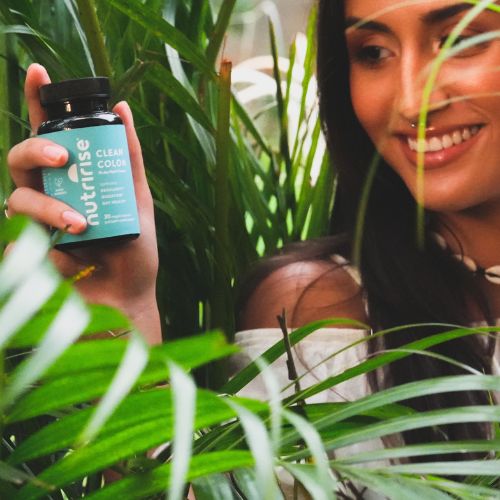
The NutriRise 15 Day Rapid Colon Cleanse uses 9 all-natural ingredients to gently move waste through the digestive tract while simultaneously supporting gut integrity.
Here's why it works:
-
Gentle removal: Senna Leaf and Cascara Sagrada stimulate the digestive tract to move waste efficiently—without the cramping associated with aggressive cleanses.
-
Soothing support: Aloe Vera calms the intestinal lining during the process, reducing irritation.
-
Immediate reseeding: Most cleanses strip the gut entirely. This formula includes Lactobacillus acidophilus, so as you flush out the bad, you're simultaneously seeding your gut with beneficial bacteria.
-
Fiber support: Psyllium husk and flaxseed provide the bulk needed to gently sweep the colon clean.
Action step: Use this 15-day protocol quarterly, or whenever that heavy, sluggish feeling creeps back in. Think of it as hitting the reset button on your entire digestive system.
Protocol 2: The High-Performance Daily (Defense & Metabolism)
Best for: Daily maintenance, immune support, and metabolic health.
Once your system is clean, the goal shifts to fortification. You want a daily supplement that functions as both a shield and an energy amplifier—something that keeps your gut resilient and your immune system sharp.
The NutriRise Gut Giver 40B Probiotics is built for exactly this. With 40 Billion CFU per serving, it delivers a high-dose of beneficial bacteria—but what sets it apart is how those bacteria are delivered.
Here's the detail most companies skip: the majority of probiotics on the market die in stomach acid before they reach the intestines. Gut Giver uses MAKTREK® Bi-Pass Technology, a scientifically designed delivery system that protects the bacteria all the way to the lower intestine where they do their best work.
It's also a true synbiotic—combining probiotics with prebiotics (Marine Polysaccharide Complex and Fructooligosaccharide). You're not just adding bacteria; you're giving them the fuel to thrive.
The targeted strains include:
-
Lactobacillus Acidophilus — Supports nutrient absorption and lactose digestion
-
Bifidobacterium Lactis — Enhances immune function and digestion
-
Lactobacillus Plantarum — Maintains the integrity of the gut lining
-
Lactobacillus Paracasei — Combats fatigue and supports overall vitality
Action step: Take this every morning. It's the kind of supplement that quietly does a lot—supporting your immune system, your metabolism, and your energy levels so you can show up fully for everything your day demands.
Protocol 3: The Diversity Strategy (Optimization & Complexity)
Best for: Maximizing gut biodiversity and supporting cognitive and emotional wellness.
A diverse microbiome is a resilient one. Research consistently shows that a wider variety of bacterial strains correlates with better immunity, improved mood, and sharper mental clarity. If you've already established a daily maintenance routine, the next step is expanding your microbial ecosystem.
The NutriRise Grateful Gut 20B Probiotics delivers a potent blend of 13 distinct probiotic strains—designed not just for digestive health, but for full-spectrum wellness.
Key strains and their roles:
-
L. Rhamnosus & L. Salivarius — Support oral health and fight harmful infections
-
L. Reuteri & L. Gasseri — Associated with weight management and heart health
-
B. Longum & B. Bifidum — Critical for carbohydrate digestion and stress response regulation
It's also vegan, gluten-free, and non-GMO—free from binders, fillers, and artificial additives.
Action step: Rotate this into your supplement routine to introduce new, beneficial strains to your microbiome. Diversity builds adaptability, and adaptability is what allows your gut—and your whole body—to handle stress, illness, and change with more ease.
• How to Combine Fermented Foods With Your Supplement Protocol
Here's the good news: fermented foods and probiotic supplements aren't competing with each other. They're complementary.
Think of your supplement protocol as the foundation and fermented foods as daily reinforcement. Sauerkraut with dinner, a glass of kefir in the morning, or kombucha as an afternoon drink all add bacterial diversity on top of what your supplements are already doing.
A few practical tips:
-
Introduce fermented foods gradually. If you're new to them, start with small portions. A sudden large intake can cause temporary bloating as your gut adjusts.
-
Prioritize variety. Rotate between different fermented foods to expose your gut to a broader range of strains.
-
Check for live cultures. Many commercial sauerkrauts and pickles are pasteurized, which kills the beneficial bacteria. Look for "raw" or "naturally fermented" on the label.
-
Pair with your cleanse. During a reset protocol, light fermented foods like kefir or a small serving of kimchi can support bacterial reseeding alongside your supplement.
• Frequently Asked Questions
1. Can I take probiotics and eat fermented foods at the same time?
Yes—and in most cases, you should. Probiotic supplements deliver specific, clinically studied strains in precise doses. Fermented foods add variety. Together, they work synergistically to build a more robust microbiome.
2. How long does it take to notice a difference?
Most people report noticeable changes within 2–4 weeks of consistent probiotic use. A colon cleanse protocol may produce results within the first few days. Gut health is cumulative—the longer and more consistently you support it, the better your results.
3. Do I need digestive enzymes if I eat fermented foods?
Not necessarily, but they serve different purposes. If you regularly experience bloating after meals—even healthy ones—your enzyme production may be insufficient. In that case, a digestive enzyme supplement can fill the gap that fermented foods can't.
4. Are probiotic supplements safe long-term?
For most healthy adults, yes. That said, it's always worth consulting with a healthcare provider, especially if you're managing a chronic condition or taking medication.
• Build Your Foundation From the Inside Out
Your gut is doing a lot more than digesting food. It influences your energy, immunity, mood, and mental clarity every single day. Getting it right isn't about following a trend—it's about giving your body the specific support it needs at each stage.
Start with a reset if you need one. Build a daily defense routine. Expand your diversity as you optimize. And layer in fermented foods throughout to keep things moving in the right direction.
The strongest version of you starts with the healthiest version of your gut. So take that first step, trust the process, and let your body show you what it's capable of when it's truly supported.
Understanding the role of fermented foods and digestive enzymes is an important step toward better digestion. To see how these fit into a complete gut health strategy—including probiotics, fiber, and microbiome balance—check out our complete guide to gut health and your microbiome.
– by Ramsha Mirza
• Recommended Products:
















 Cart (

