• Why Immune Support Matters Year-Round
The immune system is a complex network of cells, tissues, and organs that work together to defend the body against pathogens. Factors including nutritional deficiencies, seasonal changes, stress, and disrupted sleep can all influence how effectively the immune system functions.
Natural supplements can play a supportive role alongside a healthy lifestyle — but they work best as part of a comprehensive approach that includes whole foods, hydration, movement, and adequate rest.
• Functional Mushrooms and Immune Health
Functional mushrooms have been used in traditional wellness practices across Asia for centuries, and modern research is increasingly examining their role in supporting immune function. Key compounds found in mushrooms include beta-glucans and polysaccharides, which have been studied for their effects on immune cell activity.
- Lion's Mane (Hericium erinaceus) Lion's Mane contains hericenones and erinacines, compounds studied for their effects on nerve growth factor (NGF) synthesis. Research is ongoing into its role in supporting both cognitive and immune wellness.
- Reishi (Ganoderma lucidum) Reishi contains triterpenes and beta-glucans that have been studied for their effects on immune cell activity and the body's normal stress response. It is one of the most extensively researched functional mushrooms.
- Chaga (Inonotus obliquus) Chaga is notable for its high antioxidant content, including superoxide dismutase (SOD). Antioxidants help protect cells from oxidative stress, which can influence immune function over time.
- Cordyceps (Cordyceps sinensis) Cordyceps has been studied for its potential role in supporting respiratory wellness and cellular energy production — both relevant to overall immune health.
- Turkey Tail (Trametes versicolor) Turkey Tail contains PSK (polysaccharide-K) and PSP (polysaccharide peptide) compounds that have been studied for their effects on gut-associated immune function. Since a significant portion of immune activity is associated with the gut, Turkey Tail is a commonly used mushroom for digestive and immune wellness.
- Maitake, Shiitake, White Button, Black Fungus, Royal Sun These mushrooms provide additional beta-glucans, selenium, and zinc — nutrients involved in normal immune cell function and antioxidant defense.
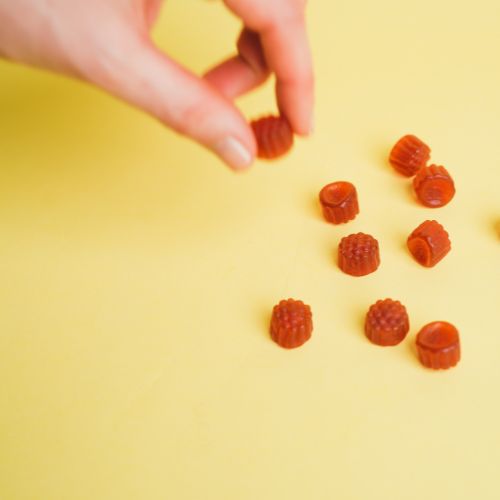
NutriRise Myco-Immune Gummy+ combines 10 functional mushroom strains in a convenient gummy format using concentrated fruiting body extracts.
• Key Vitamins and Minerals for Immune Support
- Vitamin C Vitamin C is one of the most studied nutrients for immune support. It contributes to normal immune function by supporting the production and activity of white blood cells, and acts as an antioxidant protecting cells from oxidative stress. The body cannot synthesize vitamin C, so dietary intake and supplementation are important.
Plant-derived vitamin C from sources like Amla fruit (Phyllanthus emblica) comes naturally paired with bioflavonoids including quercetin and hesperidin, which may support absorption and provide complementary antioxidant activity.
- Vitamin E Vitamin E is a fat-soluble antioxidant that helps protect cell membranes from oxidative damage. It has been studied for its role in supporting T-cell function, particularly in older adults.
- Vitamin B6 Vitamin B6 is involved in over 100 enzymatic reactions in the body, including those related to antibody production and lymphocyte development. Adequate B6 intake is important for normal immune function.
- Zinc Zinc plays a direct role in immune cell development, function, and signaling. It is one of the most well-researched minerals for immune support, and mild deficiency has been associated with impaired immune responses in multiple studies.
- Elderberry (Sambucus nigra) Elderberry extract is one of the most widely studied botanicals for immune support. Its active compounds include anthocyanins, which have been examined for their effects on immune cell activity. Multiple studies have examined elderberry's role in supporting normal recovery from seasonal illness.
- Echinacea Echinacea is a well-researched herb with multiple human clinical trials examining its role in upper respiratory wellness. Active compounds include alkamides and polysaccharides that have been studied for effects on immune cell activity.
- Garlic (Allium sativum) Garlic's primary active compound is allicin, produced when raw garlic is crushed or chopped. Garlic has been studied for its effects on immune cell activity and is one of the most widely used botanical immune support supplements.
- Turmeric (Curcuma longa) Curcumin, turmeric's primary active polyphenol, has been the subject of extensive research into its role in supporting normal inflammatory response and immune function. Black pepper extract (piperine) is typically added to enhance curcumin bioavailability.
• Building a Family Immune Support Routine
A practical approach to family immune supplementation is to start simple and build consistency:
- Foundation: Start with a high-quality vitamin C supplement and a zinc-containing multivitamin as the nutritional baseline. These cover the most well-researched deficiencies associated with immune function.
- Botanical support: Add functional mushroom supplements or elderberry during seasons when additional immune support is a priority. Gummy formats are practical for children and adults who find capsules difficult.
- Comprehensive support: For adults looking for a broader immune support formula, combination products that include multiple vitamins, minerals, and botanicals at clinically relevant doses offer convenience and value compared to multiple individual supplements.
- Consistency: Research studies examining immune supplement effects typically run for 8–12 weeks. Consistent daily supplementation over time is more beneficial than sporadic high-dose use.
• Choosing Quality Immune Supplements for Your Family
With many products available, quality indicators to look for include:
-
GMP certification — manufactured in a Good Manufacturing Practice certified facility
-
Transparent labeling — fully disclosed ingredients and doses, no proprietary blends
-
Fruiting body extracts — for mushroom supplements, fruiting body extracts are preferred over mycelium-on-grain products
-
Age-appropriate formulas — check dosage guidance for children vs adults
-
Third-party testing — independent verification of purity and potency
• Related NutriRise Products
• Key Takeaways
- Functional mushrooms, vitamin C, zinc, elderberry, and echinacea are among the most researched natural supplements for immune support
- Supplements work best as part of a balanced diet, regular exercise, adequate sleep, and healthy lifestyle
- Consistent daily supplementation over weeks to months is more effective than short-term high-dose use
- Choose GMP-certified supplements with transparent labeling and clinically relevant doses
- For mushroom supplements, look for fruiting body extracts rather than mycelium-on-grain products
These statements have not been evaluated by the Food and Drug Administration. This product is not intended to diagnose, treat, cure, or prevent any disease.


• Related Resources:
- Gut and Immune System
- Echinacea vs Elderberry
- The Sleep-Immunity Connection
- Vitamin C for Immunity
- Immune Support Supplement
- Signs of a Weak Immune System
- Immune Support Mushrooms















 Cart (

