• Key Takeaways
- Iron helps support normal red blood cell formation and oxygen transport.
- Low iron may contribute to tiredness, weakness, dizziness, poor stamina, and shortness of breath.
- Women of reproductive age generally need more iron than men because of menstrual blood loss.
- Pregnant women have higher iron needs and should speak with their healthcare provider about the right amount.
- Plant-based eaters may need extra attention to iron intake because non-heme iron from plant foods is less easily absorbed.
- Vitamin C-rich foods may help support iron absorption.
- Iron supplements should be used responsibly, especially if you are pregnant, taking medication, or have a medical condition.
• Why Iron Matters
Iron is one of the most important minerals for daily energy and vitality because it plays a central role in oxygen transport. Your body uses iron to make hemoglobin, the protein in red blood cells that carries oxygen from the lungs to tissues throughout the body. Iron is also used to make myoglobin, a protein that helps provide oxygen to muscles. (Office of Dietary Supplements)
This is why iron is connected to more than just “blood health.” It also matters for:
- Everyday energy
- Physical stamina
- Exercise performance
- Mental clarity
- Muscle oxygen support
- Red blood cell production
- Overall vitality
When your iron intake is too low, or when your body’s iron stores decline, your body may have a harder time supporting normal oxygen delivery.
• Common Signs Your Iron Levels May Be Low
Low iron symptoms can be easy to overlook because they often look like everyday stress, poor sleep, overtraining, or burnout. At first, iron deficiency anemia may be mild enough that someone does not notice it, but symptoms can become more noticeable as iron levels decline. Mayo Clinic lists common symptoms such as extreme tiredness, weakness, pale skin, chest pain, fast heartbeat, shortness of breath, headache, dizziness, cold hands and feet, tongue soreness, and brittle nails. (Mayo Clinic)
Possible signs to pay attention to include:
- Feeling tired even after sleeping
- Low stamina during workouts
- Brain fog or poor concentration
- Feeling weak, lightheaded, or dizzy
- Shortness of breath during normal activity
- Cold hands and feet
- Pale skin
- Brittle nails
- Increased hair shedding
- Low motivation or sluggishness
These symptoms can have many different causes, so it is important not to self-diagnose. If you suspect low iron, ask your healthcare provider about bloodwork.
• Who May Need More Iron Support?
Some people are more likely to have low iron intake or lower iron stores.
Groups that may need extra attention to iron include:
- Women with heavy menstrual cycles
- Pregnant women
- Postpartum mothers
- Frequent blood donors
- Vegetarians and vegans
- Endurance athletes
- People with certain digestive conditions
- People who do not eat much meat, seafood, or poultry
The NIH Office of Dietary Supplements notes that teen girls and women with heavy periods, pregnant women and teens, frequent blood donors, infants, and people with certain medical conditions may be more likely to have trouble getting enough iron. (Office of Dietary Supplements)
• Why Women Are More Likely to Run Low on Iron
Women of reproductive age generally have higher iron needs than men. Adult women ages 19–50 are recommended to get 18 mg of iron per day, while adult men in the same age range are recommended to get 8 mg per day. During pregnancy, iron needs increase to 27 mg per day. (Office of Dietary Supplements)
This is why iron is especially important for women who experience:
- Heavy menstrual cycles
- Frequent fatigue
- Low ferritin levels
- Pregnancy
- Postpartum recovery
- Plant-based eating
- High training volume
Iron is not only about avoiding deficiency. It is about helping the body maintain the red blood cells and oxygen transport systems that support energy, vitality, and resilience.
• Iron After Pregnancy and Childbirth
Iron can be especially important during and after pregnancy. During pregnancy, the body needs more iron to support increased blood volume and the needs of the developing baby. After childbirth, some women may also want to pay closer attention to iron because of blood loss during delivery, postpartum fatigue, and the demands of recovery.
Pregnant and postpartum women should always speak with their healthcare provider before starting or changing an iron supplement routine. Iron needs are highly individual and may depend on diet, bloodwork, pregnancy status, and overall health.
• Why Folate Is Included
NutriRise Iron Vitality Strips include 400 mcg of Folate, also known as Vitamin B9. Folate is important because it helps the body make new cells and supports normal cell division. The CDC recommends that all women capable of becoming pregnant get 400 mcg of folic acid daily to help reduce the risk of neural tube defects. (CDC)
Together, iron and folate are two key nutrients involved in normal red blood cell formation and cellular energy support.*
• Food First: Best Iron-Rich Foods
A smart iron routine starts with food. Iron is found in both animal and plant foods.
Good iron-rich foods include:
- Lean meat
- Poultry
- Seafood
- Lentils
- Beans
- Spinach
- Peas
- Nuts
- Iron-fortified cereals
- Iron-fortified breads
- Dried fruits
There are two main types of dietary iron: heme iron and non-heme iron. Heme iron comes from animal foods and is generally absorbed more efficiently. Non-heme iron comes from plant foods and fortified foods. Because plant-based iron is less easily absorbed, vegetarians may need more iron than people who eat meat, poultry, or seafood. (Office of Dietary Supplements)
• How to Support Better Iron Absorption
Getting iron is only part of the picture. Absorption matters too.
Vitamin C can help the body absorb non-heme iron from plant foods. Simple pairings include:
- Spinach with lemon juice
- Lentils with bell peppers
- Beans with tomato salsa
- Iron-rich cereal with strawberries
- Chickpeas with citrus dressing
Some nutrients and supplements may interfere with iron absorption when taken at the same time. Calcium, for example, may reduce iron absorption. Iron can also interact with some medications, including levothyroxine and certain medications used for Parkinson’s disease or restless leg syndrome. (Office of Dietary Supplements)
If you take medication, ask your healthcare provider about the best timing for iron.
- Red Cell & Oxygen Support in a Simple, Water-Free Strip
Support your everyday energy and wellness with NutriRise Iron Vitality Strips — a convenient, gentle way to help maintain normal red blood cell formation and oxygen transport.*
Each quick-dissolving strip delivers:
- 19 mg Iron as Ferric Saccharate
- 400 mcg Folate / Vitamin B9
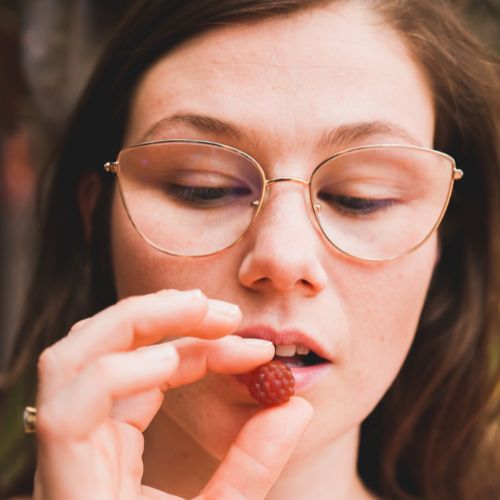
- Refreshing raspberry flavor
- Monk fruit and stevia sweetness
- No water required
- No pills to swallow
- No measuring
Just place one strip on your tongue, let it dissolve, and you’re done.
• Why Iron Vitality Strips Are Different
Many people struggle with traditional supplement formats. Capsules can be hard to swallow. Liquids can be messy. Gummies may contain added sugar. Powders require water and measuring.
Iron Vitality Strips are designed for busy, modern routines.
They are ideal for:
- Work bags
- Gym bags
- Travel
- Morning routines
- Busy moms
- Plant-based eaters
- Women with higher iron needs
- People who dislike swallowing pills
This simple strip format makes daily iron support easier to stay consistent with.
• Key Benefits of Iron Vitality Strips
• Red Cell Support*: Iron and folate help support normal red blood cell formation.*
• Oxygen Transport Support*: Iron helps maintain the body’s normal ability to carry oxygen through the bloodstream.*
• Energy & Vitality Support*: Iron supports oxygen transport, which is connected to everyday energy and vitality.*
• Gentle, Convenient Format*: Fast-dissolving strips mean no pills, no water, and easy use anytime, anywhere.*
• Great Taste: Refreshing raspberry flavor sweetened with monk fruit and stevia.
• What’s Inside
- Iron as Ferric Saccharate — 19 mg: Iron supports normal red blood cell formation and oxygen transport. This makes it a key nutrient for energy, vitality, and daily wellness.*
- Folate / Vitamin B9 — 400 mcg: Folate supports normal cell division and works alongside iron in the body’s normal red blood cell production process.*
- Raspberry Flavor: A refreshing, fruity flavor that makes daily supplementation enjoyable.
- Monk Fruit Extract: A plant-based sweetener that gives the strip a pleasant taste without added sugar.
- Steviol Glycosides: A naturally derived sweetener from stevia that supports a clean, enjoyable flavor profile.
- Other Ingredients: Pullulan, cellulose, lecithin, raspberry flavor, monk fruit extract, citric acid, medium-chain triglycerides, xanthan gum, and steviol glycosides.
• How to Use
Place one strip on your tongue and allow it to dissolve. No water required.
For best consistency, take it at the same time each day. If you take medications or other supplements, especially calcium, thyroid medication, or prenatal vitamins, speak with your healthcare provider about ideal timing.
• Important Safety Note
Iron is essential, but more is not always better. Excess iron can cause side effects, and very high amounts may be dangerous. Iron-containing products should be kept out of reach of children. Adults should avoid exceeding the recommended upper intake level unless directed by a healthcare professional. (Office of Dietary Supplements)
Do not use this product to self-treat diagnosed anemia or suspected iron deficiency without medical guidance. If you have been told you have anemia, low ferritin, low hemoglobin, iron overload, hemochromatosis, or another medical condition, consult your healthcare provider before using iron supplements.
• The Bottom Line
Iron plays a foundational role in red blood cell formation, oxygen transport, energy, and vitality. If you often feel tired, weak, foggy, or short of breath, it may be worth learning more about your iron status and asking your healthcare provider about testing.
NutriRise Iron Vitality Strips make daily iron support simple: red cell and oxygen support in a convenient, raspberry-flavored strip — no pills, no water, no hassle.
• FAQ Section
1. What does iron do in the body?
Iron helps the body make hemoglobin, a protein in red blood cells that carries oxygen from the lungs to the rest of the body. It also supports myoglobin, a protein that helps provide oxygen to muscles. (Office of Dietary Supplements)
2. What are common signs of low iron?
Common signs associated with iron deficiency anemia may include tiredness, weakness, pale skin, shortness of breath, dizziness, headache, cold hands and feet, tongue soreness, and brittle nails. These symptoms can have many causes, so bloodwork is important. (Mayo Clinic)
3. Who is most likely to need more iron?
Women with heavy periods, pregnant women, frequent blood donors, vegetarians, vegans, and people with certain digestive or medical conditions may need extra attention to iron intake. (Office of Dietary Supplements)
4. How much iron is in NutriRise Iron Vitality Strips?
Each strip provides 19 mg of iron as ferric saccharate plus 400 mcg of folate / Vitamin B9.
No. Iron Vitality Strips dissolve directly on your tongue, making them easy to use without water.
6. Can I take iron every day?
Daily iron needs depend on your age, sex, diet, pregnancy status, medical history, and bloodwork. Speak with your healthcare provider if you are unsure whether daily iron supplementation is right for you.
7. Can too much iron be harmful?
Yes. Too much iron can be harmful, especially for children or people with iron overload conditions. Keep iron supplements out of reach of children and follow label directions unless your healthcare provider advises otherwise. (Office of Dietary Supplements)
• Our Best Seller:
NutriRise Iron Strips
Support Your Energy, Red Blood Cells & Oxygen Transport*
NutriRise Iron Vitality Strips deliver 19 mg of iron plus 400 mcg folate in a simple, raspberry-flavored strip that melts on your tongue in seconds.
No pills. No water. No measuring.
Try Iron Vitality Strips today and make daily iron support easier than ever.*

*These statements have not been evaluated by the Food and Drug Administration. This product is not intended to diagnose, treat, cure or prevent any disease. Always consult your healthcare provider before starting any supplement, especially if you are pregnant, nursing, taking medication, managing a medical condition, or have been diagnosed with anemia, low ferritin, low hemoglobin, iron overload, or hemochromatosis.
– by Basim Mirza








 Cart (

