Gut Health & Immunity: Your Body's Most Powerful Defense System

Your immune system doesn't start in a pill bottle or a doctor's office. It starts in your gut.

For high-performing entrepreneurs who demand peak output from their bodies and minds, this is the insight that changes everything. While most people are busy chasing surface-level health fixes, the real lever—the one that controls how well your body fights infection, manages inflammation, and even regulates your mood—sits in about 70% of your immune system, which lives in your gastrointestinal tract.

Gut health isn't a wellness trend. It's the biological foundation of your immune function, your mental clarity, and your ability to perform when it matters most. The science backing this is robust, rapidly expanding, and frankly, hard to ignore.

This post breaks down how gut diversity shapes your immune responses, which probiotics, herbs, and nutrients have real evidence behind them, and how to stack the right ingredients together for an immune system that runs like a machine—all year round.


Gut Health & Immunity: Your Body's Most Powerful Defense System

Gut Health & Immunity: Your Body's Most Powerful Defense System

Your immune system doesn't start in a pill bottle or a doctor's office. It starts in your gut.

For high-performing entrepreneurs who demand peak output from their bodies and minds, this is the insight that changes everything. While most people are busy chasing surface-level health fixes, the real lever—the one that controls how well your body fights infection, manages inflammation, and even regulates your mood—sits in about 70% of your immune system, which lives in your gastrointestinal tract.

Gut health isn't a wellness trend. It's the biological foundation of your immune function, your mental clarity, and your ability to perform when it matters most. The science backing this is robust, rapidly expanding, and frankly, hard to ignore.

This post breaks down how gut diversity shapes your immune responses, which probiotics, herbs, and nutrients have real evidence behind them, and how to stack the right ingredients together for an immune system that runs like a machine—all year round.


• The Gut-Immune Connection: What the Science Says

The gut is home to trillions of microorganisms—bacteria, fungi, viruses, and other microbes collectively known as the gut microbiome. This ecosystem doesn't just help you digest food. It actively trains and regulates your immune system from birth.

Research published in Nature Reviews Immunology confirms that gut microbiota play a central role in the development of both innate and adaptive immunity. The innate immune system is your rapid-response unit—the first wave of defense that activates within hours of a threat. Your adaptive immune system is the precision force that learns, remembers, and strikes with specificity. Your gut microbiome communicates with both.

Here's how it works: the lining of your intestines is protected by a single layer of epithelial cells. Beneath them sits the gut-associated lymphoid tissue (GALT), which contains roughly 70–80% of your body's immune cells. Beneficial gut bacteria interact directly with these immune cells, signaling them to stay regulated, reduce unnecessary inflammation, and mount faster responses to genuine threats.

A diverse gut microbiome means more diverse signaling. More signaling means a smarter, more calibrated immune response. Conversely, low microbial diversity—driven by poor diet, chronic stress, antibiotics, or lack of sleep—leads to immune dysregulation, chronic inflammation, and vulnerability to illness.

The takeaway is simple: if your gut is underperforming, so is your immune system.


• How Gut Diversity Influences Immune Responses

Not all gut bacteria are created equal. Specific bacterial strains carry specific immune-modulating functions. This is where the biohacking opportunity lies—deliberately seeding and feeding the strains that strengthen your defenses.


Lactobacillus and Bifidobacterium: The Foundation

Two of the most extensively studied probiotic genera are Lactobacillus and Bifidobacterium. Multiple clinical trials have shown these strains can:

  • Reduce the duration and severity of upper respiratory infections

  • Stimulate the production of secretory IgA (sIgA), the antibody that acts as your gut's front-line immune barrier

  • Regulate cytokine production, reducing the risk of inflammatory overreactions

A 2019 meta-analysis in the British Journal of Nutrition found that probiotic supplementation significantly reduced the incidence of common colds and respiratory infections across multiple population groups.


The Role of Prebiotics: Feeding What's Already Working

Probiotics need fuel to thrive. That's where prebiotics come in—non-digestible fibers that selectively feed beneficial bacterial strains. Without them, even the most powerful probiotic formula loses staying power.

Studies show that prebiotic intake increases the colonization efficiency of probiotic strains and enhances the production of short-chain fatty acids (SCFAs) like butyrate. SCFAs strengthen the gut lining, reduce intestinal permeability (often called "leaky gut"), and directly modulate immune cell activity.

The combination of probiotics and prebiotics—known as a synbiotic—delivers compounding results that neither achieves alone.


Ready to biohack your gut?

NutriRise Gut Giver | Probiotic + Prebiotics – 40B CFUs

The NutriRise Gut Giver delivers 40 billion CFUs across four powerful probiotic strains, combined with prebiotics for maximum colonization and digestive support. This synbiotic formula is engineered for men and women who take gut performance seriously—supporting a healthy metabolic response, strengthening your body's defenses, and building the microbial foundation your immune system depends on.


• Herbs and Nutrients That Amplify Immune Strength

Probiotics alone are a strong foundation, but elite immune performance requires a broader stack. Several well-studied herbs, vitamins, and minerals work synergistically with your gut microbiome to produce a more complete and responsive immune defense.


- Elderberry

Elderberry (Sambucus nigra) has been used medicinally for centuries, but the modern science is what makes it compelling. A 2016 randomized, double-blind, placebo-controlled trial published in Nutrients found that travelers who supplemented with elderberry experienced significantly shorter colds and reduced symptom severity compared to those who didn't. The active compounds—primarily anthocyanins—exhibit antiviral properties and stimulate cytokine production to activate immune responses faster.


- Echinacea

Few herbs have more clinical backing than Echinacea. A Cochrane Review analyzing over 24 randomized trials found that Echinacea preparations could reduce the incidence of the common cold by up to 35% and shorten duration by an average of 1.4 days. It works by activating macrophages and natural killer (NK) cells—two of your immune system's most critical responders.


- Garlic

Allicin, the active compound in garlic, has demonstrated both antiviral and antibacterial properties in peer-reviewed research. A 2016 study in the Journal of Nutrition found that aged garlic extract increased NK cell and T-cell proliferation, reducing the severity and duration of colds and flu. Garlic also acts as a prebiotic, selectively feeding Lactobacillus and Bifidobacterium strains in the gut.


- Turmeric (Curcumin)

Chronic inflammation is the silent performance killer. It disrupts immune signaling, degrades gut integrity, and saps cognitive function. Curcumin—turmeric's primary bioactive compound—is one of the most well-documented natural anti-inflammatories. Research in the Journal of Clinical Immunology shows curcumin modulates NF-κB signaling pathways, reducing pro-inflammatory cytokines without suppressing the immune system's ability to respond to genuine threats.


- Vitamins C, E, and B6

These three vitamins are structural pillars of immune function:

  • Vitamin C acts as an antioxidant and directly supports the production and function of white blood cells. Studies confirm it reduces the duration of respiratory infections.

  • Vitamin E protects cell membranes from oxidative stress—critical when your immune cells are mounting an active response.

  • Vitamin B6 supports the production of lymphocytes and interleukin-2, a key cytokine that regulates immune cell proliferation.


- Zinc

Zinc deficiency is closely linked to impaired immune response, including reduced T-cell function and lower antibody production. Even marginal zinc insufficiency can blunt your body's ability to fight off infections. Supplementing zinc has been shown in clinical trials to reduce the duration of the common cold by up to 33%.


- L-Glutamine

Here's an ingredient that bridges gut health and immunity directly. L-glutamine is the primary fuel source for enterocytes—the cells that line your gut wall. During periods of stress, illness, or intense training, glutamine demand spikes, and without adequate supply, gut integrity deteriorates. A compromised gut lining leads to increased permeability and systemic immune activation. Supplementing with L-glutamine helps maintain a tight, resilient gut barrier—keeping your first line of defense exactly where it needs to be.


Stack everything your immune system needs in one formula.

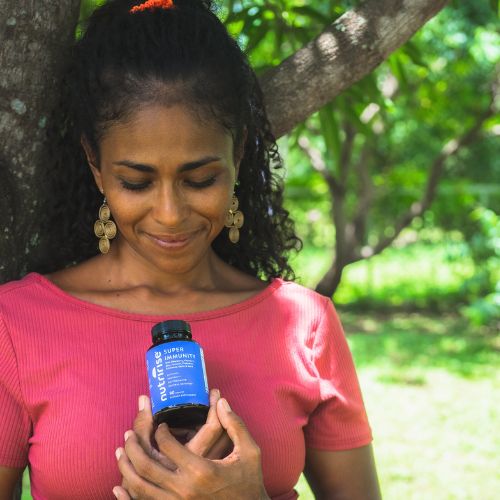
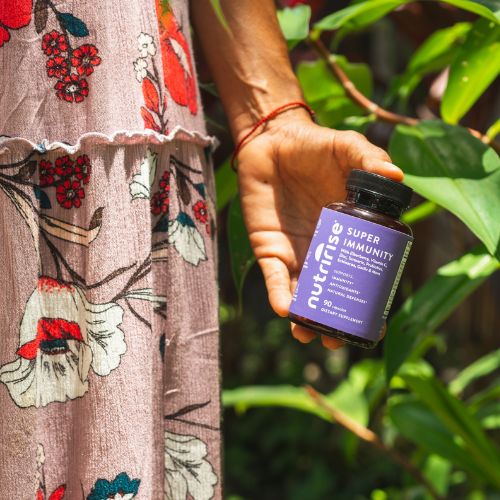
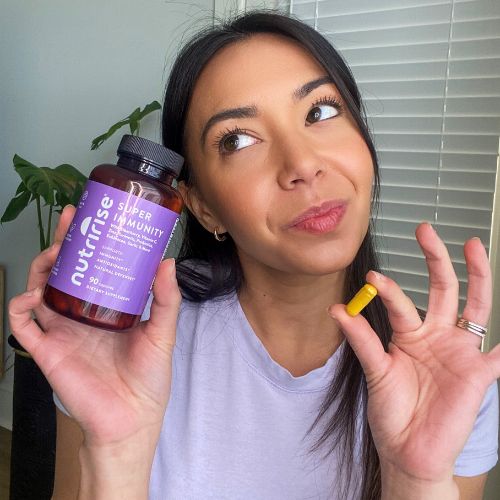
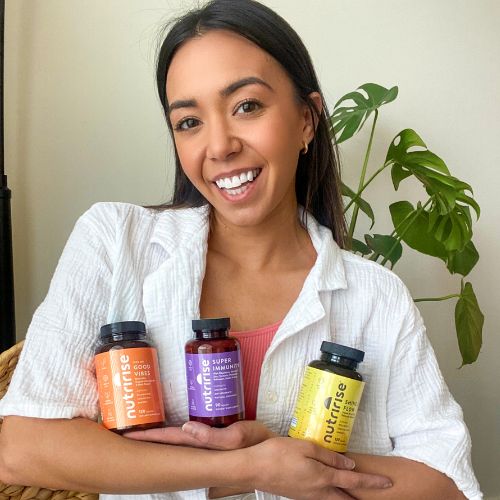
NutriRise Super Immunity Complete Complex

Built with 10 high-potency ingredients—Vitamin C, E, B6, Zinc, L-Glutamine, Elderberry, Echinacea, Garlic, and Turmeric—the Super Immunity Complete Complex is formulated for those who refuse to compromise. It targets inflammation, neutralizes free radicals, and fortifies your natural defenses so your body stays battle-ready year-round. This isn't a generic multivitamin. It's a precision immune stack.


• Building a Gut-Immune Protocol That Works

Understanding the science is step one. Building a repeatable protocol is where the real performance gains happen. Here's how to structure your approach:


- Prioritize Microbial Diversity Through Diet

No supplement replaces a diet built for gut diversity. Load your plate with:

  • Fermented foods: yogurt, kefir, kimchi, and sauerkraut deliver live cultures that reinforce microbial populations

  • High-fiber plants: garlic, onions, leeks, asparagus, and bananas feed beneficial bacteria with prebiotic fiber

  • Polyphenol-rich foods: berries, green tea, dark chocolate, and red wine (in moderation) stimulate the growth of immune-supporting bacterial strains

A 2021 Stanford study published in Cell found that a high-fiber, fermented-food diet significantly increased microbiome diversity and reduced markers of systemic inflammation—within 10 weeks.

- Control the Variables That Destroy Gut Health

You can supplement strategically and eat clean, but if the following factors go unchecked, you'll be fighting an uphill battle:

  • Chronic stress disrupts the gut-brain axis and alters microbiome composition within days

  • Poor sleep reduces microbial diversity and blunts immune cell function

  • Overuse of antibiotics eliminates beneficial bacteria alongside pathogens, leaving your gut vulnerable for months

  • Excessive alcohol increases intestinal permeability and triggers systemic inflammation

Managing these variables isn't optional—it's foundational.


- Stack Probiotics, Prebiotics, and Immune-Supporting Nutrients Together

The synbiotic combination of probiotics and prebiotics creates the microbial environment your immune cells need to operate optimally. Layer that with targeted immune nutrients—elderberry, echinacea, zinc, vitamin C, and curcumin—and you've built a multi-layered defense system that addresses immune performance from every angle.


• Frequently Asked Questions

1. How long does it take for probiotics to improve immune function?
Clinical research suggests noticeable changes in gut microbiome composition can occur within 2–4 weeks of consistent probiotic supplementation. Immune benefits—including reduced incidence of respiratory infections—typically manifest after 4–8 weeks of regular use.

2. Can I take a probiotic and an immune complex at the same time?
Yes. These products are designed to complement each other. Probiotics build and maintain the gut environment; immune complexes supply the vitamins, minerals, and herbal extracts that amplify your body's defense capacity. Together, they form a complete protocol.

3. Does gut health affect mental performance?
Absolutely. The gut-brain axis is a bidirectional communication network connecting your microbiome to your central nervous system. Gut bacteria produce neurotransmitters including serotonin (95% of which is produced in the gut) and GABA, both of which influence mood, focus, and stress resilience. Optimizing your gut directly supports cognitive performance.

4. Are there risks to taking high-CFU probiotics?
For healthy individuals, high-CFU probiotics are well-tolerated. Some people experience mild bloating or digestive adjustment during the first week. If you are immunocompromised or have a serious medical condition, consult a healthcare provider before starting any new supplement regimen.


• Build Your Defense From the Inside Out

Your immune system is only as strong as the foundation it's built on—and that foundation is your gut. The research is clear: microbial diversity drives immune competence, specific probiotic strains modulate critical immune pathways, and targeted nutrients amplify that response at every level.

This isn't about taking one supplement and hoping for the best. It's about building a layered, evidence-backed protocol that keeps your body ready to perform, recover, and protect—regardless of what's going around.

Optimize your gut. Fortify your immune system. Operate at your peak.

Start with the two products built specifically for that outcome: the NutriRise Gut Giver Probiotic + Prebiotic to establish your microbial foundation, and the NutriRise Super Immunity Complete Complex to power the system that sits on top of it.

Your body was built for strength. Give it the tools to prove it.


– by Basim Mirza
Gut Health & Immunity: Your Body's Most Powerful Defense System

• The Gut-Immune Connection: What the Science Says

The gut is home to trillions of microorganisms—bacteria, fungi, viruses, and other microbes collectively known as the gut microbiome. This ecosystem doesn't just help you digest food. It actively trains and regulates your immune system from birth.

Research published in Nature Reviews Immunology confirms that gut microbiota play a central role in the development of both innate and adaptive immunity. The innate immune system is your rapid-response unit—the first wave of defense that activates within hours of a threat. Your adaptive immune system is the precision force that learns, remembers, and strikes with specificity. Your gut microbiome communicates with both.

Here's how it works: the lining of your intestines is protected by a single layer of epithelial cells. Beneath them sits the gut-associated lymphoid tissue (GALT), which contains roughly 70–80% of your body's immune cells. Beneficial gut bacteria interact directly with these immune cells, signaling them to stay regulated, reduce unnecessary inflammation, and mount faster responses to genuine threats.

A diverse gut microbiome means more diverse signaling. More signaling means a smarter, more calibrated immune response. Conversely, low microbial diversity—driven by poor diet, chronic stress, antibiotics, or lack of sleep—leads to immune dysregulation, chronic inflammation, and vulnerability to illness.

The takeaway is simple: if your gut is underperforming, so is your immune system.


• How Gut Diversity Influences Immune Responses

Not all gut bacteria are created equal. Specific bacterial strains carry specific immune-modulating functions. This is where the biohacking opportunity lies—deliberately seeding and feeding the strains that strengthen your defenses.


Lactobacillus and Bifidobacterium: The Foundation

Two of the most extensively studied probiotic genera are Lactobacillus and Bifidobacterium. Multiple clinical trials have shown these strains can:

  • Reduce the duration and severity of upper respiratory infections

  • Stimulate the production of secretory IgA (sIgA), the antibody that acts as your gut's front-line immune barrier

  • Regulate cytokine production, reducing the risk of inflammatory overreactions

A 2019 meta-analysis in the British Journal of Nutrition found that probiotic supplementation significantly reduced the incidence of common colds and respiratory infections across multiple population groups.


The Role of Prebiotics: Feeding What's Already Working

Probiotics need fuel to thrive. That's where prebiotics come in—non-digestible fibers that selectively feed beneficial bacterial strains. Without them, even the most powerful probiotic formula loses staying power.

Studies show that prebiotic intake increases the colonization efficiency of probiotic strains and enhances the production of short-chain fatty acids (SCFAs) like butyrate. SCFAs strengthen the gut lining, reduce intestinal permeability (often called "leaky gut"), and directly modulate immune cell activity.

The combination of probiotics and prebiotics—known as a synbiotic—delivers compounding results that neither achieves alone.


Ready to biohack your gut?

NutriRise Gut Giver | Probiotic + Prebiotics – 40B CFUs

The NutriRise Gut Giver delivers 40 billion CFUs across four powerful probiotic strains, combined with prebiotics for maximum colonization and digestive support. This synbiotic formula is engineered for men and women who take gut performance seriously—supporting a healthy metabolic response, strengthening your body's defenses, and building the microbial foundation your immune system depends on.


• Herbs and Nutrients That Amplify Immune Strength

Probiotics alone are a strong foundation, but elite immune performance requires a broader stack. Several well-studied herbs, vitamins, and minerals work synergistically with your gut microbiome to produce a more complete and responsive immune defense.


- Elderberry

Elderberry (Sambucus nigra) has been used medicinally for centuries, but the modern science is what makes it compelling. A 2016 randomized, double-blind, placebo-controlled trial published in Nutrients found that travelers who supplemented with elderberry experienced significantly shorter colds and reduced symptom severity compared to those who didn't. The active compounds—primarily anthocyanins—exhibit antiviral properties and stimulate cytokine production to activate immune responses faster.


- Echinacea

Few herbs have more clinical backing than Echinacea. A Cochrane Review analyzing over 24 randomized trials found that Echinacea preparations could reduce the incidence of the common cold by up to 35% and shorten duration by an average of 1.4 days. It works by activating macrophages and natural killer (NK) cells—two of your immune system's most critical responders.


- Garlic

Allicin, the active compound in garlic, has demonstrated both antiviral and antibacterial properties in peer-reviewed research. A 2016 study in the Journal of Nutrition found that aged garlic extract increased NK cell and T-cell proliferation, reducing the severity and duration of colds and flu. Garlic also acts as a prebiotic, selectively feeding Lactobacillus and Bifidobacterium strains in the gut.


- Turmeric (Curcumin)

Chronic inflammation is the silent performance killer. It disrupts immune signaling, degrades gut integrity, and saps cognitive function. Curcumin—turmeric's primary bioactive compound—is one of the most well-documented natural anti-inflammatories. Research in the Journal of Clinical Immunology shows curcumin modulates NF-κB signaling pathways, reducing pro-inflammatory cytokines without suppressing the immune system's ability to respond to genuine threats.


- Vitamins C, E, and B6

These three vitamins are structural pillars of immune function:

  • Vitamin C acts as an antioxidant and directly supports the production and function of white blood cells. Studies confirm it reduces the duration of respiratory infections.

  • Vitamin E protects cell membranes from oxidative stress—critical when your immune cells are mounting an active response.

  • Vitamin B6 supports the production of lymphocytes and interleukin-2, a key cytokine that regulates immune cell proliferation.


- Zinc

Zinc deficiency is closely linked to impaired immune response, including reduced T-cell function and lower antibody production. Even marginal zinc insufficiency can blunt your body's ability to fight off infections. Supplementing zinc has been shown in clinical trials to reduce the duration of the common cold by up to 33%.


- L-Glutamine

Here's an ingredient that bridges gut health and immunity directly. L-glutamine is the primary fuel source for enterocytes—the cells that line your gut wall. During periods of stress, illness, or intense training, glutamine demand spikes, and without adequate supply, gut integrity deteriorates. A compromised gut lining leads to increased permeability and systemic immune activation. Supplementing with L-glutamine helps maintain a tight, resilient gut barrier—keeping your first line of defense exactly where it needs to be.


Stack everything your immune system needs in one formula.

NutriRise Super Immunity Complete Complex

Built with 10 high-potency ingredients—Vitamin C, E, B6, Zinc, L-Glutamine, Elderberry, Echinacea, Garlic, and Turmeric—the Super Immunity Complete Complex is formulated for those who refuse to compromise. It targets inflammation, neutralizes free radicals, and fortifies your natural defenses so your body stays battle-ready year-round. This isn't a generic multivitamin. It's a precision immune stack.


• Building a Gut-Immune Protocol That Works

Understanding the science is step one. Building a repeatable protocol is where the real performance gains happen. Here's how to structure your approach:


- Prioritize Microbial Diversity Through Diet

No supplement replaces a diet built for gut diversity. Load your plate with:

  • Fermented foods: yogurt, kefir, kimchi, and sauerkraut deliver live cultures that reinforce microbial populations

  • High-fiber plants: garlic, onions, leeks, asparagus, and bananas feed beneficial bacteria with prebiotic fiber

  • Polyphenol-rich foods: berries, green tea, dark chocolate, and red wine (in moderation) stimulate the growth of immune-supporting bacterial strains

A 2021 Stanford study published in Cell found that a high-fiber, fermented-food diet significantly increased microbiome diversity and reduced markers of systemic inflammation—within 10 weeks.

- Control the Variables That Destroy Gut Health

You can supplement strategically and eat clean, but if the following factors go unchecked, you'll be fighting an uphill battle:

  • Chronic stress disrupts the gut-brain axis and alters microbiome composition within days

  • Poor sleep reduces microbial diversity and blunts immune cell function

  • Overuse of antibiotics eliminates beneficial bacteria alongside pathogens, leaving your gut vulnerable for months

  • Excessive alcohol increases intestinal permeability and triggers systemic inflammation

Managing these variables isn't optional—it's foundational.


- Stack Probiotics, Prebiotics, and Immune-Supporting Nutrients Together

The synbiotic combination of probiotics and prebiotics creates the microbial environment your immune cells need to operate optimally. Layer that with targeted immune nutrients—elderberry, echinacea, zinc, vitamin C, and curcumin—and you've built a multi-layered defense system that addresses immune performance from every angle.


• Frequently Asked Questions

1. How long does it take for probiotics to improve immune function?
Clinical research suggests noticeable changes in gut microbiome composition can occur within 2–4 weeks of consistent probiotic supplementation. Immune benefits—including reduced incidence of respiratory infections—typically manifest after 4–8 weeks of regular use.

2. Can I take a probiotic and an immune complex at the same time?
Yes. These products are designed to complement each other. Probiotics build and maintain the gut environment; immune complexes supply the vitamins, minerals, and herbal extracts that amplify your body's defense capacity. Together, they form a complete protocol.

3. Does gut health affect mental performance?
Absolutely. The gut-brain axis is a bidirectional communication network connecting your microbiome to your central nervous system. Gut bacteria produce neurotransmitters including serotonin (95% of which is produced in the gut) and GABA, both of which influence mood, focus, and stress resilience. Optimizing your gut directly supports cognitive performance.

4. Are there risks to taking high-CFU probiotics?
For healthy individuals, high-CFU probiotics are well-tolerated. Some people experience mild bloating or digestive adjustment during the first week. If you are immunocompromised or have a serious medical condition, consult a healthcare provider before starting any new supplement regimen.


• Build Your Defense From the Inside Out

Your immune system is only as strong as the foundation it's built on—and that foundation is your gut. The research is clear: microbial diversity drives immune competence, specific probiotic strains modulate critical immune pathways, and targeted nutrients amplify that response at every level.

This isn't about taking one supplement and hoping for the best. It's about building a layered, evidence-backed protocol that keeps your body ready to perform, recover, and protect—regardless of what's going around.

Optimize your gut. Fortify your immune system. Operate at your peak.

Start with the two products built specifically for that outcome: the NutriRise Gut Giver Probiotic + Prebiotic to establish your microbial foundation, and the NutriRise Super Immunity Complete Complex to power the system that sits on top of it.

Your body was built for strength. Give it the tools to prove it.


– by Basim Mirza

Cart (0)

Your Cart Is Empty!

Start With Our Best Sellers
Ashwagandha Root: 1300 MG | 120 Capsules
$21.95
15-Day Rapid Cleanse
$15.45
Glucosamine Chondroitin MSM | 90 Capsules
$29.95
Thanks for contacting us! We'll get back to you shortly. Thanks for subscribing Thanks! We will notify you when it becomes available! Product is out of stock. There is only one item left to add to the cart There are only [num_items] items left to add to the cart